


The short answer: sitting all day doesn't cause bladder leaks on its own, but it can make them worse. Hours in one chair put steady pressure on your pelvic floor, tighten your hips, and train your bladder to expect a bathroom trip every time you finally stand up. The good news? Small changes to how you sit, stand, and drink through the day can take real pressure off — often within a week or two.

Picture this. It's 3:40 p.m., you've been in back-to-back video calls since lunch, and you stand up to refill your water bottle. Before you reach the kitchen, you leak. Not a lot. Just enough to ruin your afternoon. If that sounds familiar, your chair may be part of the story — not the whole story, but a bigger part than most people realize.
Does Sitting All Day Cause Bladder Leaks?
Let's be straight about what sitting does and doesn't do. Sitting doesn't damage a healthy bladder by itself. But a full day parked in one position creates a perfect setup for leaks, especially if you already have a sensitive bladder or a weaker pelvic floor.
First, there's pressure. When you sit, your body weight presses down through your pelvis. Slump forward — laptop low, shoulders rounded, feet tucked under you — and that pressure lands right where you don't want it. Over hours, it adds up.
Second, there's stiffness. Hip flexors shorten when you sit. Glutes switch off. The deep core muscles that work with your pelvic floor get lazy. It's not dramatic. It's just eight hours of nothing happening, day after day.
Third, there's the bladder habit. Sit for three hours, hold it in because you're busy, then rush when you stand. Do that daily and your bladder starts sending urgent signals earlier and earlier. You end up in a loop: sit, hold, rush, leak, repeat.
None of this means you need to quit your desk job. It means your desk routine deserves the same attention you'd give your shoes or your mattress — the stuff you live in all day.
Signs Your Desk Habits Are Making Leaks Worse
Not every leak is about sitting. But a few patterns point straight at your chair:
- You leak most often right after you stand up, not while you're seated.
- Your worst leaks land in the late afternoon, after hours at your desk.
- You hold your pee through long meetings, then can't make it in time when you finally go.
- Your lower back aches by 4 p.m., and your hips feel tight when you stand.
- You drink almost nothing at work to avoid bathroom trips — then drink a lot at night and wake up twice.
If two or three of those ring true, don't just blame your bladder. Look at your day. The fix is usually boring, practical stuff, done consistently. That's what makes it work.
A Desk-Day Routine That Actually Helps
You don't need a new chair, a standing desk, or a fitness overhaul. Start with four small shifts.
Stand up every 30 to 60 minutes. Set a quiet phone reminder. Walk to the printer. Stand during a call. Get a glass of water. Two minutes counts. The point isn't exercise — it's breaking up the pressure before it builds for hours.
Change how you sit. Feet flat, knees roughly level with your hips, lower back supported by a small cushion or a rolled towel. Sit back in the chair instead of perched on the edge. If your chair is too low or your screen is too low, your pelvis pays for it all day.
Drink steadily, not in floods. Sipping water through the day beats drinking nothing until 5 p.m. and then downing two big glasses at dinner. Steady sipping keeps your bladder calmer and your urine less concentrated, which can cut irritation. If caffeine is part of your workday, read our guide on whether caffeine makes bladder leaks worse before your third coffee.
Don't hold it through every meeting. Waiting until you're desperate trains urgency. If you know a meeting runs 90 minutes, go beforehand. If you can, pick an aisle seat near the door so leaving doesn't feel like a big deal. For more on retraining that urgent feeling, see our bladder training guide.
Small Swaps, Big Difference
| Desk habit | Try instead |
|---|---|
| One position for 3+ hours | Stand or walk for 2 minutes every hour |
| Slumped, feet tucked under | Feet flat, back supported, screen at eye level |
| No water until evening | Small sips through the day, a glass with each meal |
| Holding pee through long meetings | Go before long meetings; sit near the door |
| Staying seated at lunch | A 10-minute walk after eating, even around the block |
That lunchtime walk does double duty. It loosens your hips, wakes up your glutes, and gives your bladder a normal, unhurried bathroom trip instead of a panicked dash at 4 p.m.
What About Pelvic Floor Exercises at Your Desk?
Short answer: they help, but only if you do them right. Quick squeezes at your desk can build awareness, yet squeezing hard all day can tire the muscles out and make things worse. Think of it like gripping a pen too tight for hours — tension isn't strength.
A better approach: learn the basics properly first, then use short, relaxed sets a couple of times a day. Our beginner's guide to pelvic floor exercises walks through how to find the right muscles without overdoing it. If you leak when you stand, cough, or lift, or if exercises make things feel worse, that's worth a chat with your doctor or a pelvic floor physiotherapist. You can also read our guide on when to see a doctor about bladder leaks for the warning signs that shouldn't wait.
Staying Comfortable at Your Desk With Leaks
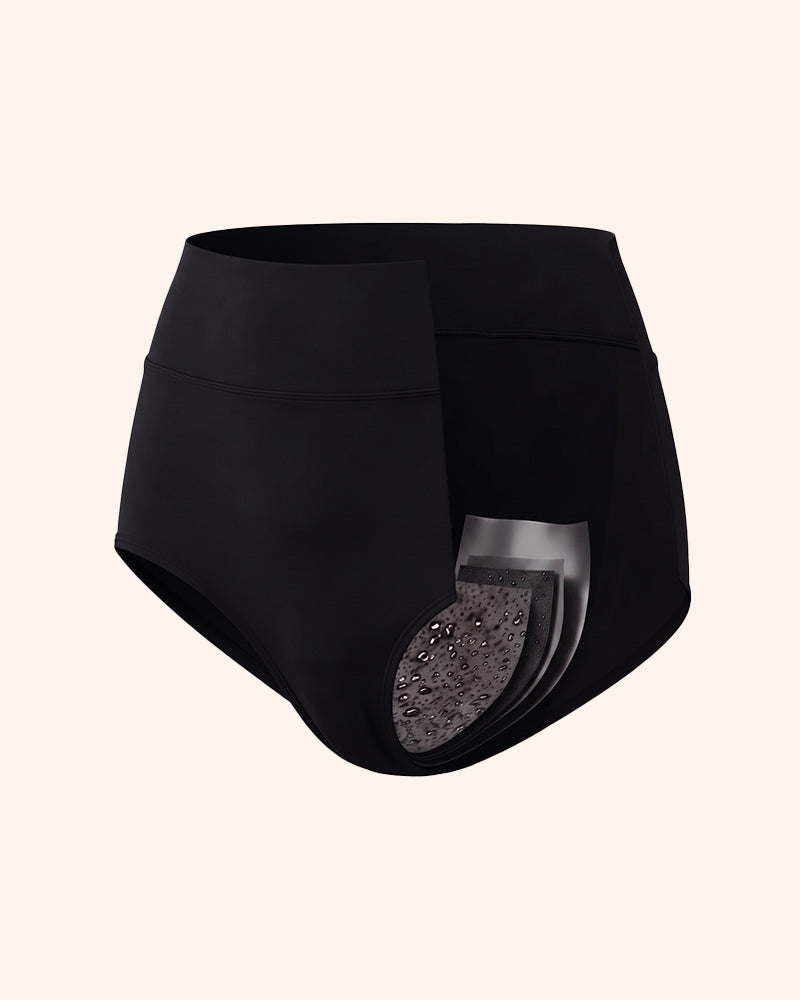
Even with a better routine, some days will still catch you out. That's where the right backup matters. Washable leakproof underwear looks and feels like regular underwear, so you can sit through a long meeting without the rustle, bulk, or worry of a pad shifting out of place.
For men, the Stay Discreet washable ultra-absorbent underwear is cut like a regular boxer brief, so it sits comfortably under work trousers all day. For women, the Stay Discreet women's underwear offers a high-waist fit that stays put whether you're seated or on your feet. Keep a spare pair and a waterproof carry pouch in your desk drawer or bag, and a change stops being a production. Toss used pairs in a machine-wash laundry bag until laundry day.
If you work long shifts or spend hours away from a bathroom, our guide to managing bladder leaks at work has more practical tips for your specific setup.
Frequently Asked Questions
Does sitting all day cause bladder leaks?
Sitting alone doesn't cause leaks, but sitting for hours can make existing leaks worse. It adds pressure to your pelvic floor, tightens your hips, and encourages holding your pee too long, which trains urgency. Regular standing breaks and better posture usually ease that pressure.
Can sitting too long weaken your pelvic floor?
It can contribute. Long hours seated let your glutes and deep core switch off, so your pelvic floor ends up carrying more load with less support. Short walks, standing breaks, and correct pelvic floor exercises help rebalance that — but rest matters too, so don't squeeze all day.
How often should I stand up if I have bladder leaks?
Aim for every 30 to 60 minutes. Two minutes of standing or walking is enough. Pair it with a bathroom trip if you need one, rather than holding on until you're desperate and rushing.
Does a standing desk help with bladder leaks?
It can help if you use it in short stretches. Standing all day brings its own problems — tired legs, backache, and pressure of a different kind. Alternate: sit for a while, stand for a while, walk for a bit. Variety beats any single position.
What's the best underwear for sitting all day with bladder leaks?
Look for a fit that stays put when seated, breathable fabric, and absorbency matched to your leaks — not the heaviest option by default. Washable leakproof underwear works well here because it feels like regular underwear and doesn't bunch up under trousers. You can read more about daily wear in our guide to wearing incontinence underwear every day.


Share:
How to Manage Bladder Leaks on a Long Shift When You Can't Just Leave for the Bathroom
How to Manage Bladder Leaks in Hot Weather: Staying Cool, Dry, and Confident