


The short answer: Yes — and knowing how to manage bladder leaks in hot weather comes down to a small set of swaps, not hiding indoors all summer. Heat doesn't have to mean damp clothes, odor worries, or skipped plans. breathable leakproof underwear instead of plastic-backed products, a change kit you actually carry, and a drinking pattern that keeps you hydrated without flooding your bladder at the worst moment.

Picture this: it's 31 degrees, you're halfway through a farmers' market, and your shirt is already sticking to your back. That's uncomfortable for anyone. Add a bladder that leaks when you laugh at a stallholder's joke, and the whole outing starts to feel like a risk instead of a treat.
Here's the thing most people miss. Summer doesn't make your bladder weaker. It makes everything around it harder: sweat, thicker air, fewer easy bathroom stops, and clothes that show every damp patch. Fix the surroundings and the leaks get much easier to live with.
Why does hot weather make bladder leaks feel worse?
Three things stack up in summer, and none of them is your fault.
First, sweat. When you're already damp from the heat, it's hard to tell where sweat ends and a small leak begins. That uncertainty alone makes people anxious, and anxiety makes urgency feel louder.
Second, drinking patterns change. You gulp a big iced coffee at 3 p.m. because you're parched, then spend the next hour hunting for a bathroom. Or you do the opposite and barely drink at all, which leaves your urine concentrated — and concentrated urine can irritate the bladder and trigger urgency. Neither extreme helps. (If cutting back on fluids is something you've tried, this look at dehydration and leaks explains why it tends to backfire.)
Third, summer clothes are thinner. A light linen dress or pale shorts hides a lot less than winter layers do. That's a wardrobe problem, not a body problem, and wardrobe problems have fixes.
What should you wear when it's hot and you leak?
Start with the layer closest to your skin, because that's the one doing the real work.
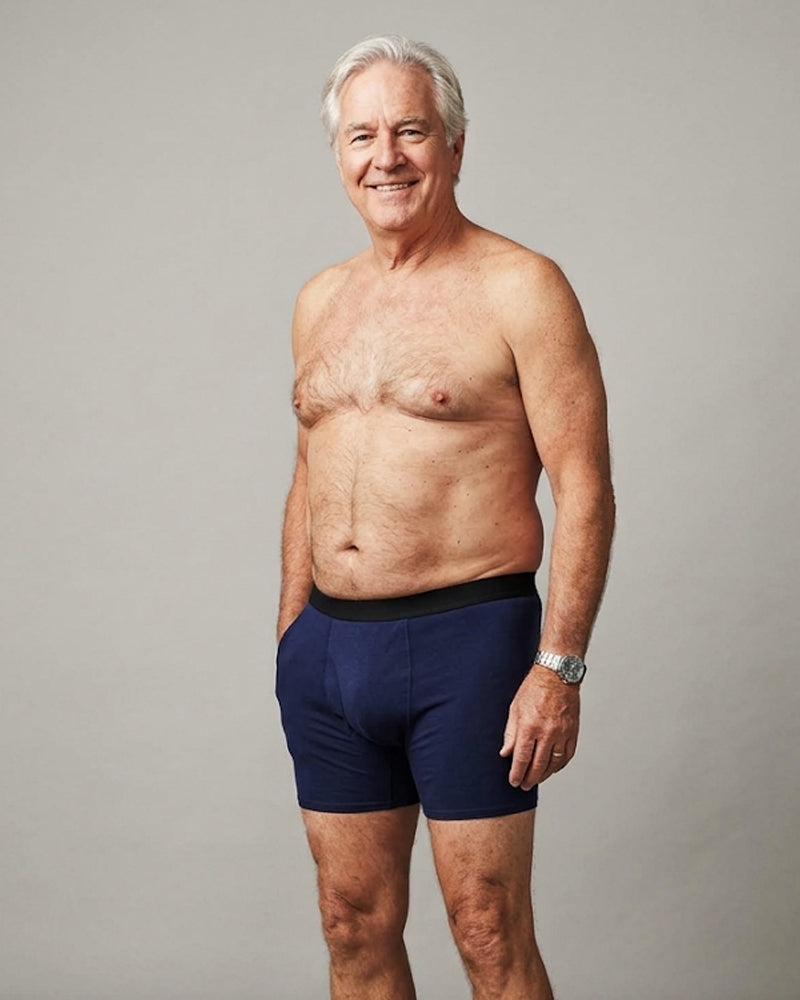
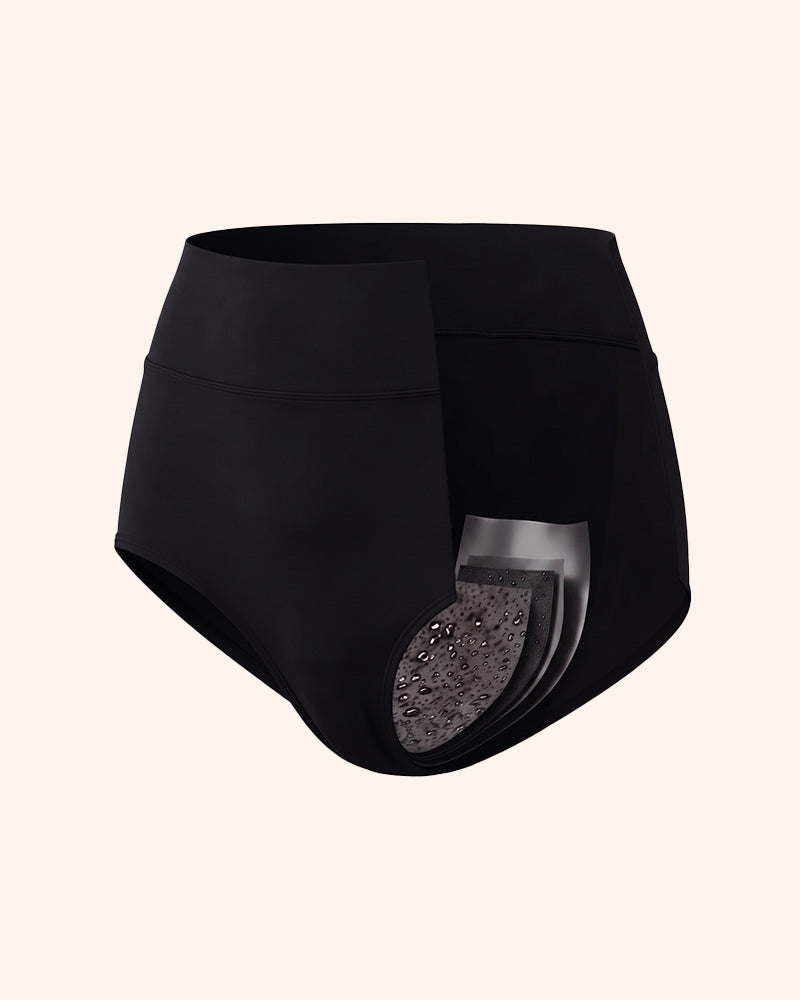
Breathable, washable leakproof underwear beats a plastic-backed product on a hot day by a mile. Plastic traps heat and sweat against your skin, which is how you end up with chafing by lunchtime and a rash by evening. A cotton-feel pair with a built-in absorbent gusset lets air move while still catching leaks. Rooces women's leakproof underwear and men's leakproof underwear are both designed to look and feel like ordinary underwear, so nothing about your outfit gives anything away.
On top, pick fabrics that forgive. Linen, loose cotton, and moisture-wicking blends dry faster and drape away from the body instead of clinging to it. Darker colors and small prints hide a damp patch better than white or pale grey — keep the white shorts for days you're staying close to home.
| Hot-day choice | What it does for you | What to skip |
|---|---|---|
| Breathable leakproof underwear | Catches leaks, lets air through, no rustling | Plastic-backed products that trap sweat |
| Loose linen or cotton | Dries fast, doesn't cling when damp | Tight synthetics that show every patch |
| Darker colors, small prints | Camouflage for a small leak | White or pale grey on long outings |
| A spare pair in a pouch | A two-minute reset instead of going home | Carrying nothing and hoping for the best |
How do you stay hydrated without making leaks worse?
Don't ration water. Sip steadily through the day instead of downing a huge glass all at once, and front-load a bit more in the morning when bathrooms are easy to reach. Keep the big iced drinks for moments when you know a bathroom is nearby — not right before a two-hour drive or a walk with no facilities.
Caffeine and alcohol deserve a quick mention. Both can nudge the bladder, and both show up a lot in summer: iced coffee, a cold beer at a barbecue. You don't have to give them up. Just notice the pattern. If your worst leak last week came twenty minutes after your second iced latte, that's useful information, not a lecture.
For a steadier baseline, this guide to how much water to drink with bladder leaks walks through a simple daily rhythm that works in warm weather too.
How to manage bladder leaks in hot weather: what goes in your kit?
Keep it small enough that you'll actually carry it. A waterproof carry pouch holds the whole lot without anything showing through your bag.
Pack one spare pair of leakproof underwear, two or three wipes, a small plastic bag for the used pair, and a travel-size bottle of water. That's it. On a beach day, add a second spare — sand, swimming, and a long walk back to the car are exactly the combo that catches people out. (If you're wondering whether leakproof underwear and swimming mix, here's the honest answer on swimming with incontinence underwear.)
Change before you need to, not after. A quick swap in a café bathroom at 11 a.m. takes two minutes. Waiting until you're damp and uncomfortable turns a small task into a ruined afternoon.
How do you handle odor and skin irritation in the heat?
Heat plus dampness is a recipe for both, so the fix is keeping things dry and clean rather than covering anything up with scented products. Rinse leakproof underwear soon after changing — a mesh laundry bag keeps pairs together in the wash — and skip fabric softener, which coats the absorbent layers and makes them work less well.
For skin, pat dry instead of rubbing, and let skin breathe for a few minutes when you change. If redness or soreness keeps coming back in the same spot, that's worth a conversation with your doctor rather than another cream. This piece on keeping reusable underwear fresh covers the washing routine in more detail.
One more summer-specific note: don't leave a used pair sitting in a hot car. Heat bakes odor into fabric fast. The pouch goes in your bag, and the bag goes with you.
Can you still enjoy summer outings, barbecues, and holidays?
Yes — with a little scouting. Before a day out, check where the bathrooms are. It takes thirty seconds on a map and it changes everything: you stop scanning for toilets and start enjoying the market, the beach, the wedding reception.
At a barbecue, stand near the house end of the garden rather than the far corner. At a festival, learn the quieter bathroom block, not just the main one. These aren't restrictions. They're the same kind of planning anyone does when they check the weather before leaving home.
And if a leak happens anyway? It will, sometimes. Change, carry on, and don't let one damp moment write off the whole day. The people around you almost certainly didn't notice — and the ones who matter won't care.
Frequently asked questions
How to manage bladder leaks in hot weather on a long day out?
Wear breathable leakproof underwear, pack a spare pair in a waterproof pouch, sip water steadily instead of gulping it, and scout bathroom locations before you leave. Change before you feel damp, not after.
Does sweating make bladder leaks worse?
Sweat doesn't weaken your bladder, but it makes dampness harder to read and clothes clingier, which is why leaks feel worse in summer. Breathable fabrics and a spare pair solve most of the problem.
Should you drink less water in summer to avoid leaks?
No. Drinking too little concentrates your urine, which can irritate the bladder and trigger more urgency. Steady sipping through the day beats both rationing and gulping.
What underwear is best for bladder leaks in summer?
A washable pair with a built-in absorbent gusset and a breathable, cotton-like feel. It catches leaks without the heat and rustle of plastic-backed products, and it looks like ordinary underwear under summer clothes.
How do you stop leakproof underwear smelling in hot weather?
Rinse soon after changing, wash without fabric softener, and don't leave used pairs in a hot car or bag for hours. A mesh laundry bag keeps them easy to wash properly.
When should you see a doctor about summer leaks?
Book an appointment if leaks are new, suddenly much worse, painful, or come with blood in your urine, fever, or trouble passing urine at all. Those signs deserve a check whatever the season.
Summer is for farmers' markets, cold drinks, and long evenings outside. A leaky bladder doesn't have to cancel any of that. With breathable protection, a small kit, and a drinking rhythm that works with your body instead of against it, hot weather becomes just weather again — not a reason to stay home.

Share:
Does Sitting All Day Cause Bladder Leaks? What to Do About It at Your Desk
How to Store Incontinence Underwear Discreetly at Home: A Practical Guide That Keeps Things Simple