


The short answer: Yes — can you wear incontinence underwear every day? For most people with light to moderate bladder leaks, wearing leakproof underwear daily is completely safe, as long as you change into a fresh pair after a leak, keep a simple hygiene routine, and rotate a few pairs through the wash. Below, we'll cover how often to change them, how daily wear affects skin health, and how to make all-day protection feel like ordinary underwear.

If you're new to washable leakproof underwear, daily wear can feel like a big step. But think of it this way: millions of people wear period underwear every day of their cycle without a second thought. Well-designed incontinence underwear works on the same principle — built-in absorbent layers that capture small leaks and keep your outer clothing dry, no disposable pad required.
Is It Safe to Wear Incontinence Underwear Every Day?
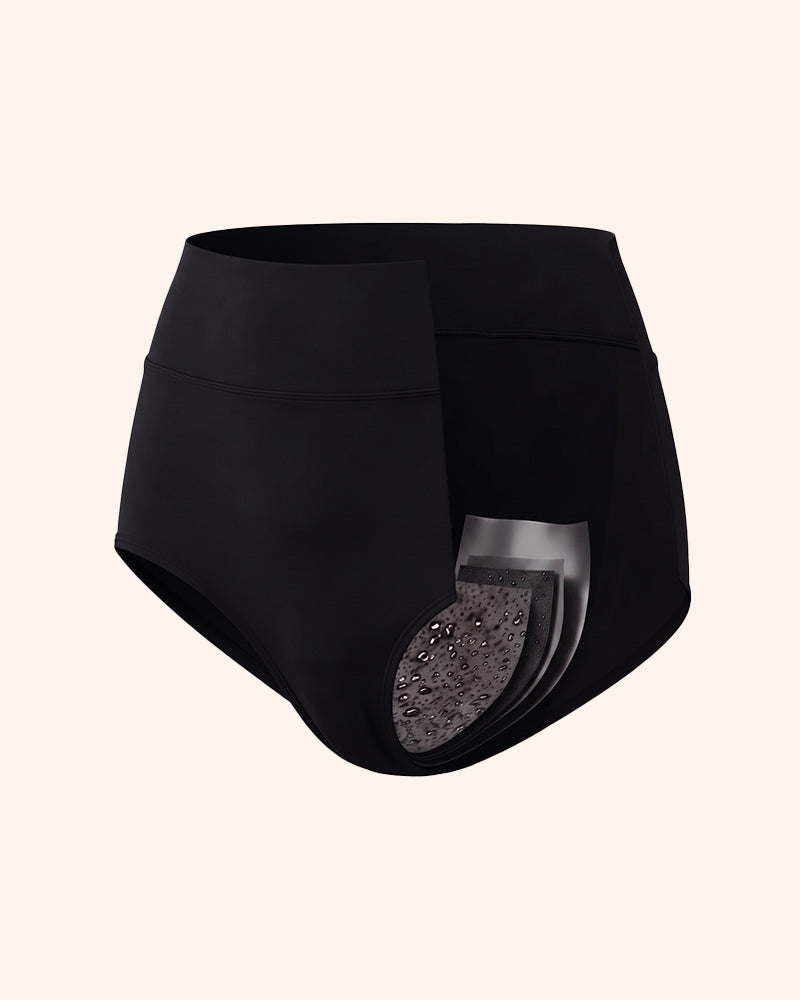
Yes, it is generally safe for most people — and for many, it becomes the easiest way to stop planning their day around bathroom locations. Modern reusable leakproof underwear is made from breathable fabrics with moisture-wicking liners and waterproof barriers, so it behaves much like high-quality activewear.
The key is hygiene, not the product itself. Problems like odor or irritation usually come from wearing a damp pair too long, not from daily use. Follow these three basics and daily wear is no different from wearing any other underwear:
- Start each day with a fresh pair. Even if yesterday's pair felt fine, put on a clean one in the morning — just like you would with regular underwear.
- Change after a significant leak. A pair that absorbed a full gush should be swapped for a dry one; don't keep wearing it "until it feels wet."
- Let skin air out. Give your body 15–30 minutes without underwear each day when possible — after showering is the natural moment.
How Often Should You Change Incontinence Underwear During the Day?
How often should you change incontinence underwear? It depends on how much you leak. Use these practical rules rather than a fixed clock:
- Light leaks (a few drops when coughing, sneezing, or laughing): One pair in the morning and one fresh pair in the evening is usually plenty.
- Moderate leaks (occasional larger surges): Plan on changing midday too — keep a spare pair and a waterproof carry pouch in your bag so swaps are discreet.
- After any heavy episode: Change right away. This single habit does more for skin health and odor control than anything else.
If you're still learning your patterns, our guide on how to tell when incontinence underwear is full walks you through the signs it's time for a fresh pair.
Can Wearing Incontinence Underwear Cause Infection or Irritation?
This is one of the most common worries behind the can you wear incontinence underwear every day question. The honest answer: the underwear itself doesn't cause infections. Prolonged contact with trapped moisture can, however, irritate sensitive skin and create an environment where yeast or bacteria thrive.
A sensible daily routine keeps that risk low:
- Wash after every wear. Rinse pairs soon after taking them off, then machine-wash with a mild detergent and skip the fabric softener — a machine-wash laundry bag keeps the absorbent layers protected in the drum.
- Dry completely before storing. Damp storage breeds mildew smells; air-dry or tumble-dry on low and make sure pairs are bone-dry before they go in the drawer.
- Match absorbency to your needs. A pair that's overloaded leaks moisture against skin. If you're changing more than three times a day, you may need a higher-absorbency style — see our guide to how many pairs to own for building a rotation that fits your leak level.
- Keep the area clean and dry. Rinse with plain water during your day if you've had a big leak, and pat dry — don't rub.
For a deeper dive, read how to keep skin healthy with incontinence underwear.
Reusable vs. Disposable Protection for Everyday Use
If you're comparing daily options, here's how the two main approaches stack up for everyday wear:
| Factor | Reusable Leakproof Underwear | Disposable Pads / Pull-Ups |
|---|---|---|
| Comfort for all-day wear | Feels like normal underwear; soft, breathable fabrics | Can feel bulky or plasticky; edges may bunch |
| Daily cost over time | Higher upfront, much cheaper per day after a few months | Low upfront, adds up to several dollars a day indefinitely |
| Odor control | Excellent when washed properly; odor-trapping layers rinsed out each wash | Good while fresh, but worn pads trap odor until disposal |
| Waste | Near zero — a small rotation lasts years | Several items in the trash every single day |
| Convenience | Needs a wash routine (a few pairs cycled through laundry) | No washing, but requires constant restocking and disposal |
Many people end up with a hybrid routine: reusable underwear as the daily default, and a disposable option tucked away for travel days or unusually long outings. If you're nervous about odors from a rotation, here's how to keep reusable pairs odor-free.
Tips for Comfortable All-Day Wear
- Get the fit right. Leakproof underwear that's too tight presses absorbent areas flat against skin and traps heat; too loose, and leaks escape at the leg openings. Use a sizing chart and measure rather than guessing — our fit and sizing guide shows you how.
- Rotate at least 5–7 pairs. That gives every pair a full wash-and-dry cycle without you ever running short.
- Choose the right style for the day. A high-waisted full-coverage style like the Stay Discreet women's incontinence underwear works for most days; men can opt for the Stay Discreet men's version, and the men's style with a removable absorbent pad adds flexibility on heavier days.
- Boost on heavy days instead of switching products. A reusable high-absorbency pad adds capacity without changing your routine.
- Pack a "just in case" kit. One spare pair and a waterproof pouch in your everyday bag removes the anxiety that makes people avoid wearing protection at all.
When Daily Wear Might Not Be Enough
Daily leakproof underwear handles light to moderate leaks beautifully. But if you're dealing with sudden large-volume loss, changing more than three times a day, or leaking through to outer clothes regularly, that's useful information — not a failure of the product. Talk to your doctor about what you're experiencing (our guide to your first appointment can help you prepare), and in the meantime layer protection rather than going without.
FAQs About Wearing Incontinence Underwear Every Day
Is it safe to wear incontinence underwear all day long?
Yes, for most people. Breathable, moisture-wicking designs are made for extended wear. The main rules are simple: start fresh each morning, change after any substantial leak, and keep pairs clean and fully dry between wears.
How often should you change incontinence underwear?
For light leaks, twice a day (morning and evening) is a good baseline. For moderate leaks, add a midday change. Always change immediately after a heavy episode, no matter what the clock says.
Can wearing incontinence underwear cause infection or a UTI?
The underwear itself doesn't cause infections. Prolonged dampness against skin can irritate it, though, so change promptly after leaks, wash pairs after every wear, and make sure they're completely dry before storing them. If you notice recurring irritation or burning, check in with your clinician.
Should you wear incontinence underwear at night?
Many people do, and it can protect bedding and improve sleep. Choose a style with enough absorbency for your nighttime leaks, change into a fresh pair before bed, and wash it in the morning. If you rarely leak at night, a regular pair is fine too — there's no rule either way.
Do you need to change leakproof underwear during the workday?
Only if you've had a leak that soaked the absorbent area. For dry days with just a few drops, one pair can comfortably last a full workday. Keeping a spare pair and a discreet pouch at your desk covers the occasional exception.


Share:
What Is a Bladder Diary and How to Keep One for Incontinence?
Does Insurance Cover Incontinence Underwear? FSA, HSA, and Ways to Save