


The short answer: Standard health insurance usually does not cover incontinence underwear — most plans classify it as a personal care item rather than a medical device. But there is good news: flexible spending accounts (FSA) and health savings accounts (HSA) can often reimburse the cost of incontinence supplies, and reusable underwear can cut your long-term spending dramatically. This guide walks through exactly what each option covers, when you might need a prescription, and the simple steps to get reimbursed.

Does Insurance Cover Incontinence Underwear?
For most private health insurance plans, the answer is no — not as a standard benefit. Insurers typically reimburse products classified as durable medical equipment (like hospital beds or blood pressure monitors), and incontinence underwear usually falls outside that category. It is instead treated as a personal hygiene or convenience product, similar to how plans handle everyday toiletries.
That said, coverage is not identical everywhere:
- Some employer plans include a small annual allowance for continence care supplies — check your plan's "medical supplies" or "preventive benefits" section, or call the number on your member card and ask directly.
- Medicare Advantage plans sometimes offer an over-the-counter (OTC) allowance or "healthy benefits" card that can be used toward incontinence supplies at participating retailers.
- State Medicaid programs vary widely. Several states cover incontinence supplies for adults with a documented medical need and a physician's order — your state's Medicaid office can confirm.
Bottom line: never assume a denial from the summary of benefits. A two-minute call to your insurer with the phrase "reimbursement for incontinence supplies" can be worth hundreds of dollars.
Can You Use FSA for Incontinence Underwear?
Yes — in many cases you can use FSA funds for incontinence underwear. Under IRS rules, incontinence supplies purchased to manage a medical condition are generally considered eligible medical expenses. That includes washable leakproof underwear, booster pads, and other absorbent products used because of urinary incontinence.
The key detail: eligibility is interpreted by your specific plan administrator. Some FSA administrators treat incontinence supplies as automatically eligible, while others ask for a Letter of Medical Necessity (LMN) from your doctor or a prescription before they approve a claim. Before you buy, search your FSA administrator's eligible-expenses list for "incontinence" — most major administrators publish one — or send a quick message through your benefits portal.
Is Incontinence Underwear HSA Eligible?
The rules are similar to FSA: because HSAs follow the same IRS definition of qualified medical expenses, incontinence underwear bought to manage urinary incontinence is generally HSA-eligible. The practical advantage of an HSA is flexibility — there is no "use it or lose it" deadline like an FSA, and you can reimburse yourself years later as long as you keep the receipt.
One practical tip: if your HSA comes with a debit card, buy from a retailer that uses standard merchant category codes for pharmacies or medical supplies, and always keep the itemized receipt. If an expense is ever questioned, an itemized receipt showing "incontinence underwear" plus a brief note from your doctor linking it to your diagnosis resolves the question quickly.
Do You Need a Prescription for FSA or HSA Incontinence Supplies?
Sometimes. It depends on your plan administrator:
- Automatic approval: many administrators (especially the large national ones) list incontinence supplies as eligible without extra paperwork.
- Letter of Medical Necessity: others want a short signed note from your doctor stating the diagnosis (e.g., urinary incontinence) and that the supplies are needed to manage it. This is not a full prescription — it is usually a one-page form your clinic has on file.
- Full prescription: a smaller number of plans require an actual prescription. If that is your situation, mention it at your next checkup — doctors write these routinely and it takes a minute.
If you are not sure which rule applies, get the LMN anyway. It costs nothing extra and makes claims go through smoothly whichever administrator you have.
Are Incontinence Supplies Covered by Medicare?
Traditional (Original) Medicare generally does not cover incontinence supplies such as adult briefs or washable underwear. Medicare Part B covers "durable medical equipment" like commodes or catheters when medically necessary, but absorbent products for incontinence are explicitly excluded as routine personal care items.
There are two exceptions worth checking:
- Medicare Advantage (Part C) plans — many include a quarterly OTC allowance that can be spent on incontinence supplies through the plan's catalog or card.
- Medicaid (state-run) — in many states, Medicaid does cover adult incontinence supplies with a physician's order. Coverage limits and approved brands vary by state, so confirm with your state's Medicaid office.
The Real Math: What Incontinence Protection Costs Per Year
Whether or not insurance helps, the biggest savings usually come from switching from single-use products to washable underwear. Here is a realistic comparison:
| Cost item | Washable incontinence underwear | Disposable briefs |
|---|---|---|
| Typical unit price | About $25–35 per pair | About $1–2 per brief |
| How many you need | 5–7 pairs in rotation | 1–2 per day |
| Replacement cycle | Roughly 100+ washes (about a year) | Every use |
| Illustrative annual cost | About $150–250 | About $700–1,400 |
| Waste produced | Almost none | Hundreds of pounds per year |
Illustrative estimates; your cost depends on leak severity and how many changes you need per day. Even if insurance covers nothing, a set of washable underwear typically pays for itself within two to three months compared with disposables.
How to Get Reimbursed: A Simple Step-by-Step
- Ask your doctor for a Letter of Medical Necessity or a prescription naming urinary incontinence and the supplies you need.
- Buy from a reputable retailer and keep the itemized receipt showing the product name, date, and amount paid. Pay with your FSA/HSA card when possible.
- File the claim through your benefits portal, attaching the receipt and the LMN or prescription if your plan requires it.
- Keep records for at least three years. That covers the IRS recordkeeping window and any audit questions about HSA reimbursements.
A note for caregivers: if you are buying incontinence supplies for an aging parent and you hold a qualifying dependent or FSA arrangement, the same rules usually apply — check with your plan administrator, and see our caregiver's guide for managing costs alongside care.
Choosing Underwear That Is Worth the Money
If you are going to pay out of pocket — or spend limited FSA dollars — the underwear should earn it. Look for absorbency matched to your leak level (a few drops versus a full surge), a fit that stays put under clothes, fabrics that keep skin dry, and construction that survives 100+ washes. Our guide to how many pairs you need and the disposable vs. reusable comparison can help you decide before you buy.
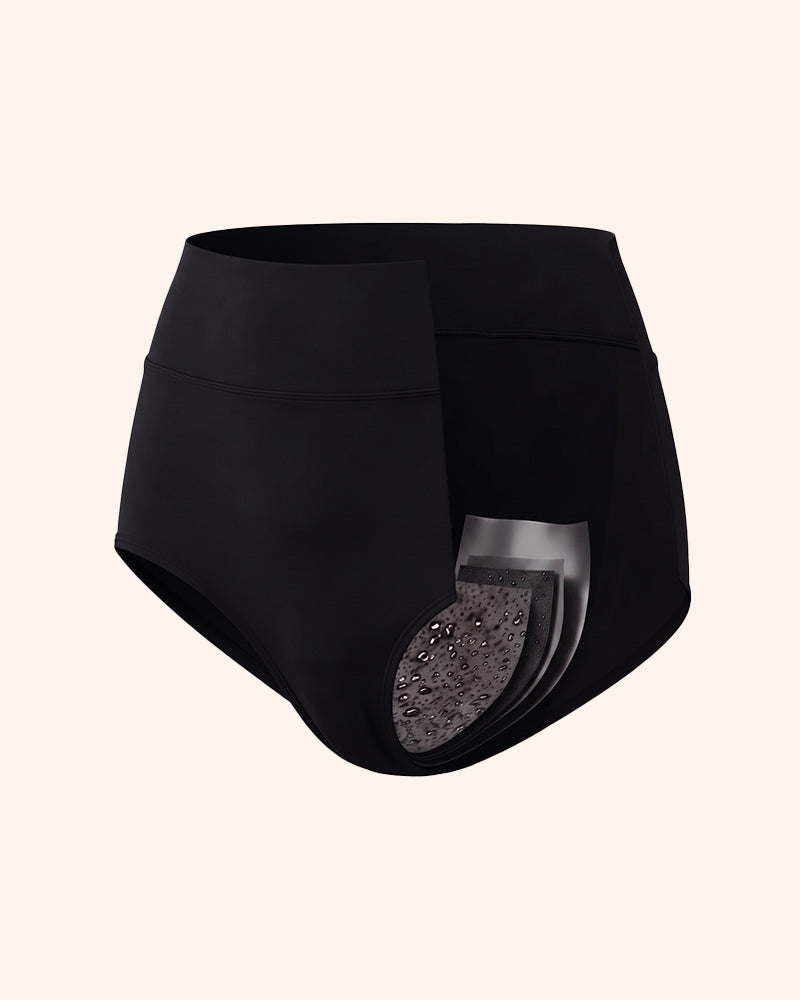
Both the women's Stay Discreet high-waist brief and the men's Stay Discreet boxer brief are washable, machine-washable designs made to replace hundreds of disposable products — exactly the kind of purchase an FSA or HSA can stretch furthest. Not sure about sizing? Our fit and sizing guide walks through measuring step by step.
Frequently Asked Questions
Does insurance cover incontinence underwear?
Standard health insurance usually does not cover incontinence underwear, because insurers classify it as a personal care item rather than durable medical equipment. Medicare Advantage OTC allowances, some employer plans, and state Medicaid programs are the main exceptions — always check with your specific plan.
Can you use FSA for incontinence underwear?
Yes, in most cases. Incontinence underwear purchased to manage a medical condition is generally an eligible FSA expense under IRS rules. Some administrators ask for a Letter of Medical Necessity or prescription, so confirm with your plan before a large purchase.
Is incontinence underwear HSA eligible?
Yes — HSAs use the same IRS definition of qualified medical expenses as FSAs, so incontinence supplies for urinary incontinence are generally HSA-eligible. Keep your itemized receipts; with an HSA you can reimburse yourself later, even in a future year.
Are incontinence supplies covered by Medicare?
Original Medicare does not cover absorbent incontinence supplies. Medicare Advantage plans often include an OTC allowance usable for them, and state Medicaid programs frequently cover them with a physician's order. Check your plan's benefit details.
Do you need a prescription for FSA incontinence supplies?
It depends on your plan administrator. Many approve incontinence supplies without extra paperwork; others require a Letter of Medical Necessity or a full prescription. Getting the letter from your doctor at your next visit covers all cases.
Are incontinence products tax deductible?
Medical expenses — including incontinence supplies — can be itemized on your tax return if your total medical expenses exceed the IRS threshold (currently 7.5% of adjusted gross income) and you itemize deductions. Talk to a tax professional for your situation.
Disclaimer: this article is for general information only and is not insurance, benefits, or tax advice. Coverage rules differ by plan and state — confirm details with your insurer, benefits administrator, or tax advisor before making decisions.


Share:
Can You Wear Incontinence Underwear Every Day? Hygiene, Skin Health, and Comfort Explained
Can You Use Period Underwear for Bladder Leaks? How It Compares to Incontinence Underwear