


The short answer: A bladder diary is a simple 2–3 day log of what you drink, when you use the bathroom, how strong the urge feels, and when leaks happen. Learning how to keep a bladder diary for incontinence turns vague worries (“I go too much”) into concrete patterns your doctor can actually act on — and it is often the first thing a clinician asks for.
What Is a Bladder Diary, Exactly?
A bladder diary — sometimes called a voiding diary or bladder log — is a short-term record you keep yourself of your fluid intake, bathroom visits, urgency levels, and any leaks. It is not a medical test, and it needs no special equipment: a notebook, a printed chart, or the notes app on your phone all work fine.
The reason it matters is simple: memory is unreliable. When a doctor asks “how often do you go at night?” most people guess — and most people guess wrong. A diary replaces guessing with facts. It captures the timing, the amounts, and the circumstances of each day, which is exactly the information a clinician needs to tell different types of bladder problems apart.
Many people are surprised to learn that a bladder diary can be as useful for light leaks as it is for frequent urgency. Whether you dribble when you cough or feel sudden urges you can barely hold, tracking reveals patterns that a single office visit almost never uncovers.

Why Your Doctor Wants to See One
If you bring a completed diary to an appointment, you will likely get better advice in less time. Here is what it helps your clinician figure out:
- Stress vs. urge patterns. Leaks that happen during coughing, laughing, or lifting point toward stress incontinence; sudden, hard-to-hold urges point toward urge incontinence. Knowing which pattern dominates changes the treatment conversation entirely.
- Hidden triggers. A diary often shows that symptoms cluster after certain drinks or at certain hours — things like caffeine or late-evening fluids — which are easy to adjust.
- A starting baseline. Any treatment works better when there is a “before” to compare against. Your diary is that before.
If you are preparing for a first appointment, our guide to talking to your doctor about incontinence walks through what to expect and which questions help most.
How to Keep a Bladder Diary for Incontinence: A Simple Step-by-Step
You do not need to be precise to the milliliter — honest and consistent beats perfect. Here is a method that works:
- Pick two or three ordinary days. Choose days that look like your normal life, not a holiday or a day you are traveling. Consecutive days are ideal because they make patterns easier to spot.
- Log every drink. Write down the time, the type, and roughly how much — “7:30 am, large mug of coffee” is plenty. Include water, tea, alcohol, and soups.
- Log every bathroom visit. Note the time, how much you passed (small, medium, or large is fine), and how strong the urge was on a simple 0–3 scale: 0 = no urge, 1 = mild, 2 = moderate, 3 = had to rush.
- Log every leak. This is the part people skip, and it is the most valuable. Record the time, what you were doing (coughing, hurrying to the door, asleep), and roughly how much leaked — a few drops, damp underwear, or soaked through.
- Track the night separately. Note what time you went to bed, how many times you got up, and whether any leaks happened while you slept.
- Add context notes. New medication, your period, a cold, unusual stress — anything out of the ordinary is worth one line, because it may explain a strange day.
That is the whole system. Most people find it takes less than a minute per entry, and the habit usually clicks by the afternoon of day one.
What to Track: A Quick Reference
| What to record | Why it matters | Example entry |
|---|---|---|
| Time and amount of each drink | Reveals whether total fluid or timing drives symptoms | “2:00 pm — 500 ml water bottle” |
| Time of each bathroom visit | Shows frequency and intervals | “3:15 pm — medium, urge 2” |
| Urge strength (0–3) | Separates true urgency from habit visits | “Urge 3 — barely made it” |
| Leaks: time, activity, amount | The core pattern for diagnosis | “4:40 pm — sneezed, few drops” |
| Night wake-ups and bedtime leaks | Flags nighttime-specific issues | “Up twice; damp once at 3 am” |
| Context notes | Explains outlier days | “Started new allergy pills” |
How to Read Your Own Diary: 5 Patterns Worth Noticing
You do not need medical training to spot useful signals in your own log. Look for these:
- The caffeine clock. Do leaks or urges cluster within an hour or two of coffee, tea, or energy drinks? Caffeine is a known bladder stimulant for many people — here is how it affects the bladder.
- The evening fluid rush. A lot of fluid after dinner plus multiple night trips is one of the easiest patterns to fix: shift more of your intake earlier in the day.
- The “just in case” trap. Bathroom visits with urge 0 or 1 — going “just to be safe” — can train your bladder to signal fullness at smaller volumes. This habit often shows up clearly in a diary.
- Urgency without volume. Many small trips with strong urges suggests an overactive-bladder pattern, which responds well to bladder training techniques.
- Activity-linked leaks. Leaks tied to coughing, sneezing, lifting, or exercise point toward the stress-incontinence side — useful information whether you discuss pelvic floor exercises or protection options with your clinician.
Staying Protected While You Track
Here is the practical part people forget: while you are logging for two or three days, leaks are still going to happen — and a diary that is honest about them is more useful than one that quietly skips the embarrassing entries. Wearing reliable protection during your tracking days removes the pressure to “perform well” and lets you record real life.
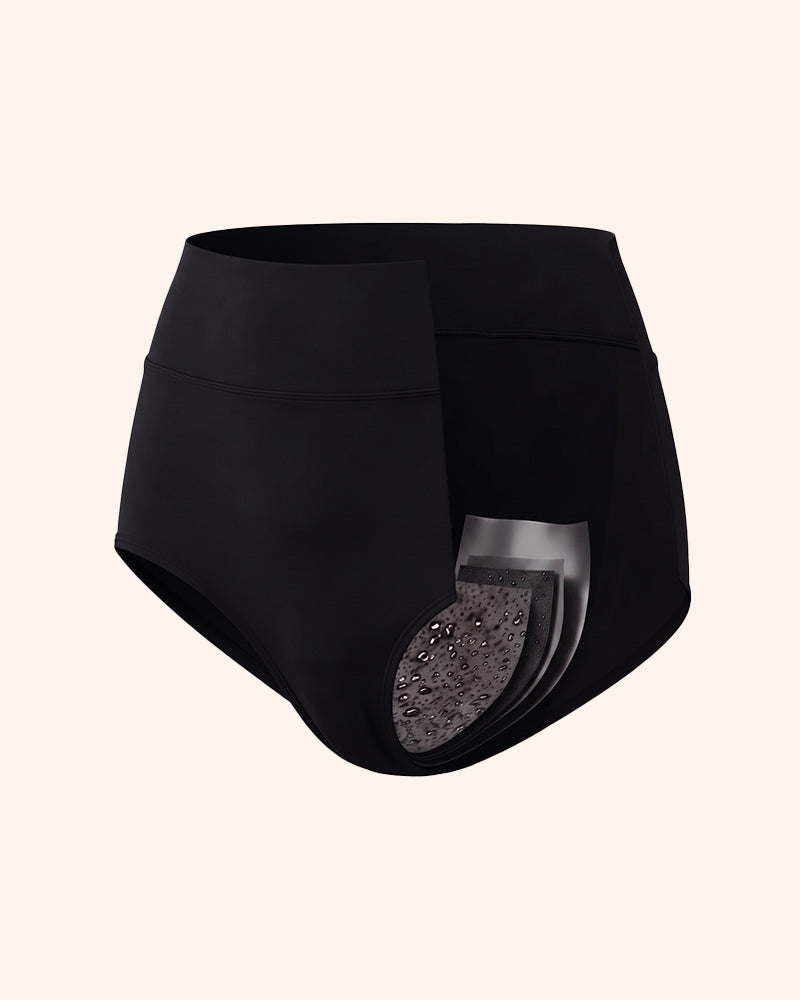
Washable leakproof underwear works well for diary days because it looks and feels like regular underwear, so your routine stays normal while you observe it. Our women’s leakproof underwear and men’s leakproof underwear are designed to stay discreet under everyday clothes, and a waterproof carry pouch keeps a spare pair out of sight in your bag if you are tracking on workdays.
Frequently Asked Questions
How can I keep a bladder diary for incontinence if I am busy?
Keep it ruthlessly simple. Use abbreviations (“C” for coffee, “U2” for urge level 2), set phone reminders for the first day, and keep the notebook or app somewhere you will see it — next to the kettle works for many people. A simple diary you actually finish beats a detailed one you abandon by noon.
How long should you keep a bladder diary?
Two to three days is the standard most clinicians ask for. If your symptoms vary a lot week to week, up to seven days can help, but longer than that rarely adds new information and the tracking fatigue is not worth it. If nothing is clear after three honest days, bring what you have — partial data still helps.
What does a bladder diary look like?
At its simplest, it is columns for time, drinks, bathroom visits, urge level, and leaks, with a few notes at the bottom. Some clinics hand out printed charts, and there are free templates and apps online — but a lined notebook with those five columns works just as well.
Can a bladder diary replace seeing a doctor?
No — it is a tool, not a diagnosis. What it does is make the appointment far more productive, because your clinician starts from data instead of from “it happens sometimes.” If you notice warning signs like blood in urine, pain, or a sudden change, do not wait for a perfect diary — book the visit now and bring whatever you have.
Is a voiding diary the same thing as a bladder diary?
Yes. “Voiding diary,” “bladder diary,” and “bladder log” all mean the same thing — a short-term record of fluids in and urine out. If your doctor says one term and your search results say another, you are looking at the same tool.
Will tracking my leaks make them worse?
There is no evidence that observing your symptoms increases them. Some people do feel more aware of urges on day one, which is normal and usually fades. If tracking makes you anxious, try logging only three things — drinks, bathroom times, and leaks — and skip the urge scale entirely.
Your bladder has been sending signals for a while. A diary simply helps you — and your doctor — listen.


Share:
Should You Do Kegels for Bladder Leaks? When Kegels Help — and When They Can Make Things Worse
Can You Wear Incontinence Underwear Every Day? Hygiene, Skin Health, and Comfort Explained