


The short answer: Yes. Here's how to get urine smell out of a mattress after a bladder leak — and the order matters. Blot first, treat the spot with a vinegar-and-water mix, then cover it thick with baking soda for at least 8 hours before vacuuming it up. Don't scrub — rubbing pushes urine deeper into the foam, and that's what creeps back on a humid night.
It usually starts the same way. You wake up at 2 a.m., the sheets are damp, and your first thought isn't the mattress — it's getting the bedding into the machine before the rest of the house wakes up. The mattress can wait a few hours, but it can't clean itself — urine that soaks past the surface dries into the fibers and foam underneath, and that's where the smell settles in.

Why does urine smell stick around in a mattress?
A mattress is basically a sponge with a nice cover on it: the top layer looks dry long before the inside is. Urine contains uric acid, and when it dries, it forms tiny crystals that bond to fabric and foam. Water alone won't dissolve them once set — that's why a spot can smell fine for a week, then hit you again the first muggy evening.
Bacteria make it worse. A warm, slightly damp mattress suits them, and they break down the compounds in dried urine into the sharp, ammonia-like smell most people notice first. Neither problem needs fancy equipment — just patience and the right sequence.
What do you need before you start?
Most of this is already in your kitchen — grab it all before you start, so you're not hunting for the baking soda with wet hands halfway through.
- Several clean white towels or old white t-shirts — white, so no dye transfers
- Plain white vinegar
- A spray bottle
- A drop of plain dish soap
- Baking soda — the whole box, not a sprinkle
- A vacuum with an upholstery attachment
- A fan, if you have one
Skip colored towels — a navy bath towel can leave a faint blue tint on a light mattress cover, and you'll trade one problem for another.
How to get urine smell out of a mattress, step by step
Work through these in order — each step does a different job, and skipping ahead is what leaves the smell behind.
1. Strip the bed and blot — don't rub. Strip the sheets and any mattress protector straight into the wash. Then press a dry towel firmly onto the wet spot — stand on it if you need to, since your body weight pushes the towel into the foam better than your hands will. Swap in a fresh towel when the first stops picking up moisture. If the leak happened hours ago and the spot feels dry, blot first with a cold, damp towel. Cold water only; hot water sets protein stains.
2. Spray it with a vinegar mix. Mix equal parts white vinegar and cold water in the spray bottle, add a drop of dish soap, and spray the spot until damp — not soaked. Vinegar breaks down the uric acid crystals that hold the smell; let it sit for 10 to 15 minutes. You'll smell vinegar for a while. It fades.
3. Blot again. Press fresh towels into the spot until they stop picking up liquid — you're lifting the dissolved crystals out. If the towel still comes away yellow, spray once more and repeat. Two rounds is normal for a bigger leak.
4. Cover it with baking soda — thick. This is the step people rush, and it's the one that matters most. Pour baking soda over the damp area in a visible layer a few millimeters deep. It needs to touch the fibers to absorb the odor; a thin sprinkle dries out before it finishes.
5. Leave it for at least 8 hours. Overnight is better. Close the bedroom door if you have pets or kids who'll walk through it — the baking soda will clump and darken as it absorbs moisture and odor.
6. Vacuum it up, then air it out. Vacuum slowly with the upholstery attachment, twice, from different directions. Then point a fan at the mattress and leave the bed unmade for a few hours; airflow finishes what the towels couldn't reach. Once it feels dry and the vinegar smell is gone, put clean sheets back on.
What if the stain is old and already dry?
Old stains need the same steps, with more patience. Start by dampening the spot with cold water and blotting — you're rehydrating the crystals so the vinegar can reach them. Then run the vinegar step twice, with a fresh blotting in between. A generic enzyme cleaner from the pet aisle can help too — spray it on, wait as long as the label says, then blot and follow with the baking soda step.
One honest note: a stain that's sat for months may lighten without disappearing completely. The smell can still go — color and odor are two different problems, and odor is the one that affects your sleep.
What should you avoid putting on a mattress?
A few common instincts make things worse.
- Bleach. It damages mattress fibers, can void a warranty, and leaves a chemical smell worse than the one you started with.
- Soaking the spot. A mattress that stays wet inside grows mold — damp is fine, dripping is not.
- Steam cleaners. Heat can set the stain and push moisture into layers that never fully dry.
- Air freshener or perfume. It covers the smell for an hour, then the two smells mix. Fix the source instead.
If yours is memory foam, check the care tag before using anything beyond vinegar and baking soda — some foam warranties are picky about cleaners.
How do you stop it from happening again?
Cleaning works, but nobody wants that routine every week. A few small changes keep the mattress out of the firing line.
First, a washable waterproof mattress protector — the cheapest insurance in the bedroom. A leak stops at the protector, and the protector goes in the machine. If you already use one and a leak still got through, check whether it's actually waterproof or just water-resistant.
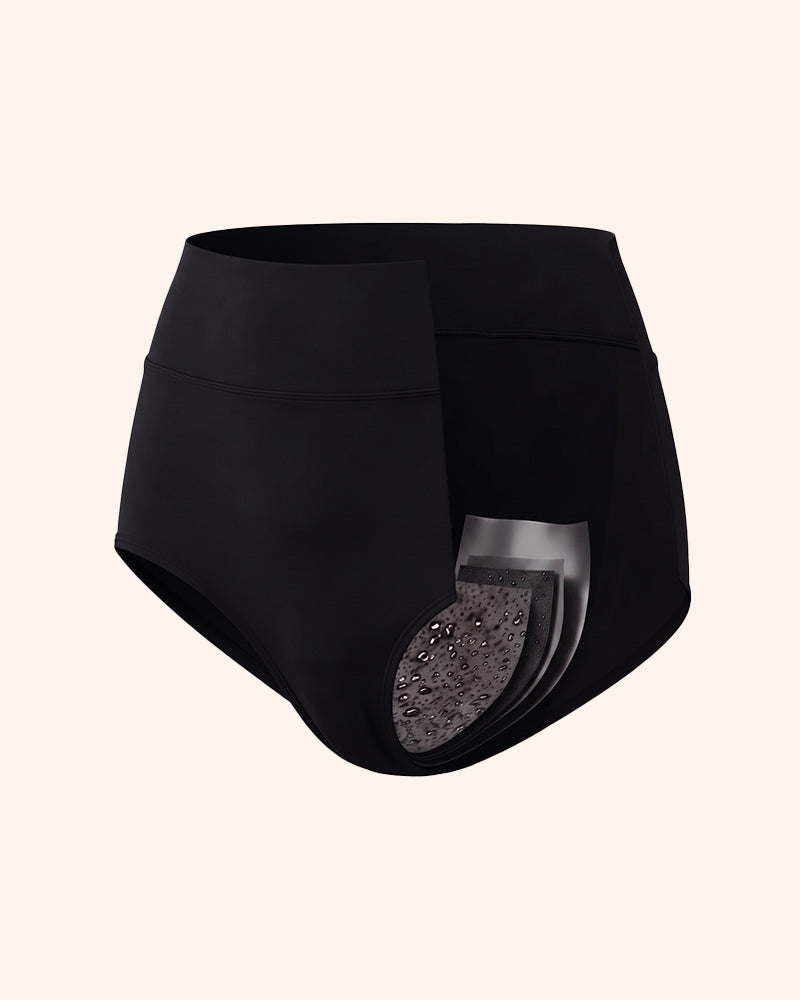
Second, what you wear to bed. Washable leakproof underwear built for nighttime holds light to moderate leaks through the night, so the leak never reaches the sheets. If nighttime leaks are regular, that's usually the simplest fix — easier than washing a mattress. Our women's leakproof underwear and men's leakproof underwear are both designed to look and feel like regular underwear.
Third, keep a small kit by the bed — a spare set of sheets, a couple of old towels, and a washable laundry bag for anything damp. When a leak wakes you at night, you want the fix to take three minutes, not thirty. A waterproof pouch does the same job when you travel.
For the bigger picture, see our guide on how to protect your mattress from bladder leaks — and if nighttime leaks keep happening, our article on why bladder leaks happen during sleep.
Frequently Asked Questions
Can you use vinegar on a mattress?
Yes — diluted white vinegar is safe for most mattresses. Mix it half and half with cold water, spray until damp, and let it sit 10 to 15 minutes before blotting. The vinegar smell fades as it dries. Check the care tag before using it undiluted on memory foam.
Does baking soda really remove urine smell from a mattress?
It does, if you use enough and give it time. Baking soda absorbs odor rather than covering it. Two mistakes: using too little, and vacuuming it up after an hour. A thick, visible layer left for at least 8 hours — overnight is best — pulls the smell out.
How to get urine smell out of a mattress — how long does it take?
Plan on a full day: 30 minutes of active work, 8-plus hours while the baking soda sits, and a few hours airing out. The hands-on part is short — the waiting is the real work, and rushing it is the main reason the smell comes back.
Can I sleep on my mattress the same night?
Usually, yes — if you start in the morning. By bedtime the baking soda is vacuumed up and the mattress has aired out for hours. If the leak happened late, sleep on the other side for one night and run the full routine the next morning. Don't sleep on a mattress that's still damp; trapped moisture invites mold.
Why does the smell come back when it's humid?
Humidity reactivates the uric acid crystals left in the foam — they absorb moisture from the air, and the odor returns even though the spot looks clean. Run the vinegar and baking soda steps once more, leaving the baking soda on a full 24 hours if you can.


Teilen:
Why Do I Leak Urine When I Bend Over or Lift Something? What Your Body Is Telling You
First Time Wearing Incontinence Underwear? What to Expect and How to Feel Comfortable