


The short answer: switching from disposable pads to washable incontinence underwear changes the daily routine more than it changes the protection itself. You stop buying, carrying, and throwing away pads, and you start treating leak protection like ordinary underwear — wash it, dry it, put it back in the drawer.

That sounds simple. But the first week feels odd if you have spent years reaching for a pad every morning. Your hands know the old routine. Your brain keeps checking for the crinkle, the adhesive strip, the little wrapper to fold away. Most men who make the switch miss the habit for about a week, then forget it was ever there.
Switching from disposable pads to washable incontinence underwear: what changes first?
Picture a Tuesday morning. You shower, get dressed, pull on a pair of washable underwear, and that's it. No extra layer to position, no wrapper in the bathroom trash to deal with later.
At work, the difference shows up in small moments. You walk to a meeting without thinking about whether a pad has shifted. You sit through a long lunch without that damp, bunched feeling that used to creep in by 1 p.m. You don't plan your bathroom stops around changing a pad. You just go, like everyone else.
The first thing many men notice isn't dryness. It's quiet. No rustle under your trousers when you stand up. No mental checklist. By the second week, you stop thinking about your underwear — and that's the whole point.
Why does washable underwear feel different from a pad?
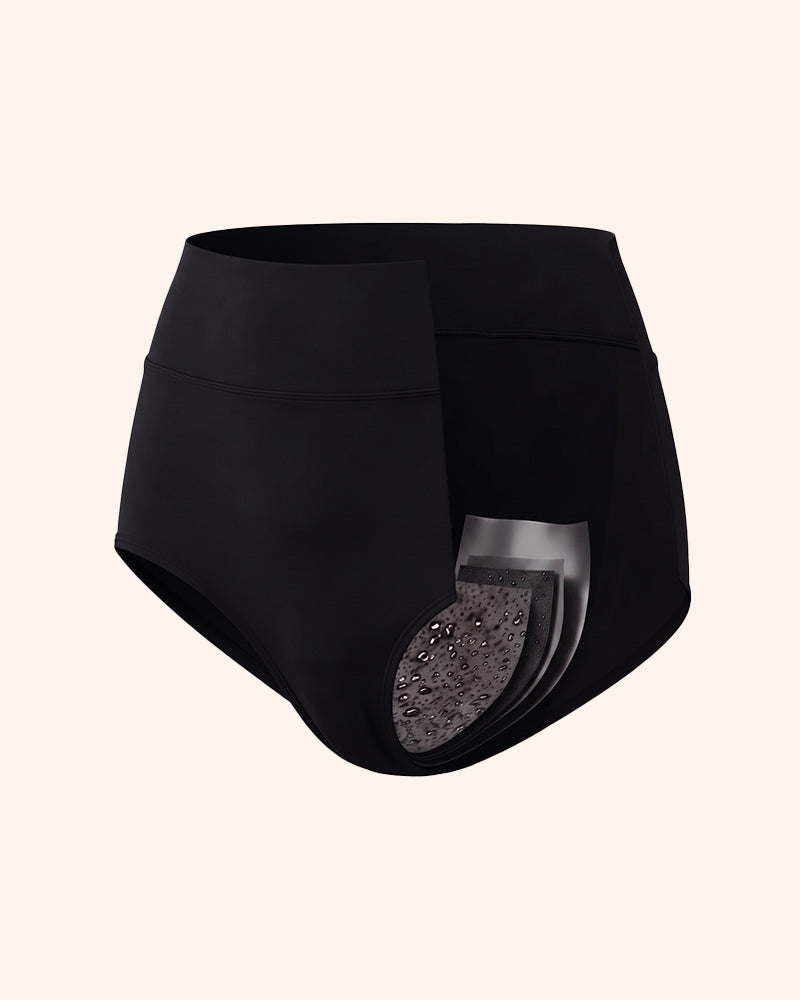
A pad is an add-on. It sits inside regular underwear, and it moves when you move. Washable leakproof underwear is one garment. The absorbent layer is built into the fabric, so it stays where it belongs — front, back, and through the middle, by cut.
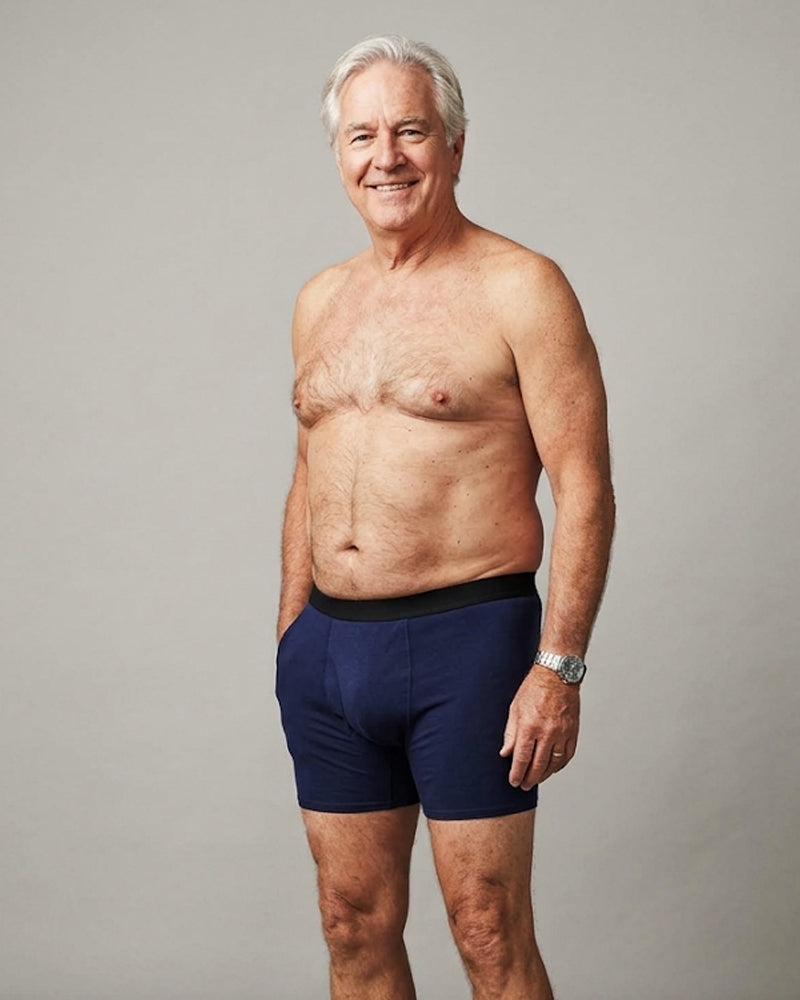
That built-in design changes the fit. Men's washable styles usually look and feel like a normal boxer brief. The waistband sits flat. The leg openings don't ride up the way a pad can bunch. If you've ever adjusted a pad in a public restroom stall, trying not to look rushed, you know exactly why that matters.
It also changes how leaks feel when they happen. A pad can hold a small leak and still feel wet against your skin. A washable pair spreads moisture through its layers and pulls it away from the surface. You still change when you need to — no product lets you ignore a heavy leak all day — but a light dribble after you pee, or a few drops when you cough, feels a lot less obvious.
How do you pick the right first pair?
Don't buy a drawer full on day one. Buy one or two pairs and test them in real life, not just in front of the mirror.
Start with your normal size. Washable underwear should fit snug but not tight, like a good pair of regular briefs. Too loose, and leaks can slip past the edges. Too tight, and you'll hate wearing them by noon. If you're between sizes, size down for a closer fit around the legs — that's where most small leaks escape.
Then match the absorbency to your leaks, not your worries. Light protection covers dribbles and occasional drops. Moderate protection handles a sudden cough, a sneeze, or a longer gap between bathroom breaks. If you're not sure, start moderate — a pair that's a little more absorbent than you need beats one that leaves you checking your trousers at 3 p.m.
For men, a dedicated men's washable incontinence underwear pair is a better first test than a unisex style, because the absorbent zone is placed where men actually leak. Some men also add a removable absorbent pad on heavier days, then take it out when they don't need the extra layer.
Disposable pads vs. washable underwear, side by side
| What you're comparing | Disposable pads | Washable incontinence underwear |
|---|---|---|
| Daily routine | Position a fresh pad each morning; change and throw away during the day | Put on like normal underwear; wash and reuse |
| Fit and movement | Can shift, bunch, or peel loose inside regular underwear | Absorbent layer stays in place because it's part of the garment |
| Discretion | Wrapper and used pad to dispose of; possible rustle | Looks like regular underwear; nothing to carry or throw away in public |
| Ongoing cost | Small cost every day, forever | Higher cost up front, then washing only |
| Laundry | None | One extra small load, or add pairs to a normal dark load |
| Travel | Pack a supply; find a trash can for used pads | Pack a few pairs and a waterproof carry pouch for used ones |
The table isn't a verdict. Some men keep pads for a long flight or a day with no laundry access, and wear washable pairs the rest of the time. That's a perfectly good switch too.
What about washing, odor, and the laundry pile?
This is where most men hesitate, so let's be blunt. Yes, you wash them. No, it's not a big job.
Rinse a used pair in cold water, then toss it in the machine with similar colors. Skip fabric softener, which coats absorbent fibers and makes them less effective over time. A laundry bag keeps pairs from tangling with socks and shirts. Line dry when you can; low heat in the dryer works when you can't.
The third load of laundry this week is not a crisis. Most men fold washable pairs into a load they were already doing — darks, towels, workout clothes. If odor worries you, the fix is usually simple: rinse promptly, don't let a damp pair sit in a gym bag for two days, and wash with a normal detergent. Our guide to washing reusable leakproof underwear walks through the routine step by step.
How many pairs do you really need to start?
Start with three. One to wear, one in the wash, one in the drawer. That's enough to learn whether the fit and absorbency suit you without committing to a full rotation.
Once you know you like them, most men settle around six to eight pairs. That covers a week with laundry every two or three days, plus a spare in a work bag or car for the day something goes wrong. See how many pairs of incontinence underwear you actually need for the full math.
Cost works the same way. Three pairs cost more than a bag of pads, and that sticker shock is real. Spread over six months of daily wear, the washable pairs usually come out cheaper, and you stop running out at 9 p.m. on a Sunday when the shops are closed. That's a small freedom, but men notice it.
What if you still want a backup plan?
Keep one. Seriously.
A backup plan makes the switch easier, not weaker. Keep a couple of pads in your travel bag for the first month. Keep a spare washable pair in your desk drawer. Tell yourself you can go back to pads for a day if laundry piles up or you're sick and can't be bothered. Most men find they reach for the backup less and less, and after a month it's still there, unopened, like a spare tire.
The switch doesn't have to be all or nothing by time of day, either. What matters is that the daytime routine — work, errands, the gym, a walk with a friend — stops revolving around pads.
If you're still weighing the two options in detail, our broader comparison of disposable vs. reusable incontinence underwear and pads vs. leakproof underwear covers cost, comfort, and sustainability in more depth.
Frequently asked questions
Is switching from disposable pads to washable incontinence underwear worth it?
For most men with light to moderate leaks, yes — mainly for comfort and convenience. You get a better fit, nothing to dispose of in public, and no daily restocking. The trade-off is laundry, and you pay more up front.
Can you wear washable incontinence underwear every day?
Yes, if you have enough pairs to rotate and you wash them properly. Daily wear works best with six to eight pairs, a rinse after use, and no fabric softener in the wash.
Do washable incontinence underwear smell?
They shouldn't, if you rinse them soon after wearing and wash them regularly. Odor usually comes from a pair left damp in a bag for days, or from detergent buildup — not from the fabric itself.
How long do washable incontinence underwear last?
Most pairs last many months of regular wear, sometimes over a year, with wash frequency and drying heat deciding how long they hold up. Replace a pair when the absorbent layer feels thin, the elastic gives out, or leaks start slipping past the edges.
Can I still use disposable pads while switching to washable underwear?
Absolutely. A gradual switch is often the easiest one. Wear washable pairs at home first, keep pads for travel or long days out, and drop the pads when you stop reaching for them.

Share:
How to Store Incontinence Underwear Discreetly at Home: A Practical Guide That Keeps Things Simple
How to Manage Bladder Leaks When You Live Alone: A Practical, Low-Stress Routine