


The short answer: No, you're not too young, and you're definitely not the only one. If you're asking why am I leaking urine in my 20s, the usual culprits are a pelvic floor that's either too weak or too tight, a bladder that overreacts to triggers like caffeine or a full bladder, or pressure from coughing, heavy lifting, or high-impact exercise. Most young-adult leaks are manageable, and many get better once you figure out which pattern is yours.

It's a strange feeling. You might be 27, in decent shape, no kids, and still crossing your legs before you sneeze in a meeting. Or 31, noticing a damp spot after a run even though you went to the bathroom ten minutes earlier. That mismatch — young body, leaky bladder — is why so many people wait years before asking anyone about it. Don't. Pelvic health physios see this every week, and the earlier you sort it out, the less it takes over your routines.
Why am I leaking urine in my 20s when I haven't had kids?
Childbirth is one well-known cause. It isn't the only one. Your pelvic floor is a sling of muscles holding up your bladder, and plenty of things besides pregnancy can throw it off.
A few of the most common ones in younger adults:
- A pelvic floor that's too tight, not too weak. Hours at a desk, holding in pee through long shifts, stress that keeps your body clenched — all of it can leave the muscles unable to relax and coordinate when you cough or jump.
- High-impact exercise. Running, CrossFit-style workouts, trampoline parks with a niece on a Saturday afternoon. Each landing spikes pressure inside your abdomen. If your pelvic floor can't match that pressure in time, a little leaks out.
- Chronic coughing or straining. Asthma, a cold that hung around for three weeks, constipation where you're bearing down hard every morning. Same pressure problem, different trigger.
- Bladder irritants. Coffee on an empty stomach, energy drinks, alcohol, fizzy drinks. They don't cause leaks alone, but they can make a twitchy bladder twitchier.
- Hormones and medication. Certain diuretics increase urine output or urgency. Hormonal shifts around your cycle can change symptoms week to week — one reason some people leak more before their period.
- Nerve and muscle conditions. Less common at this age, but conditions like multiple sclerosis or a back injury can affect bladder signals. That's part of why new, sudden, or worsening leaks deserve a proper check.
Is it stress leaks, urge leaks, or both?
Figuring out your pattern matters, because the fixes differ. Here's the quick version.
| Pattern | What it feels like | Typical triggers |
|---|---|---|
| Stress leaks | A small leak during a cough, sneeze, laugh, lift, or jump — often with no warning urge first | Exercise, sneezing, lifting a suitcase, laughing hard |
| Urge leaks | A sudden, strong "go now" feeling, and you leak before you reach the bathroom | Arriving home and fumbling for your keys, hearing running water, a full bladder after coffee |
| Mixed leaks | A bit of both, sometimes on the same day | Busy days where you're holding it in, then moving fast |
Keep a rough phone note for a week: when it happened, what you were doing, how full your bladder felt. "Always after my second coffee" and "only on run days" point in very different directions. A bladder diary can help you spot the pattern without overthinking it.
What helps first, without jumping to anything drastic?
Start boring. Boring works more often than people expect. First, stop holding it in for hours. If you regularly wait until you're bursting — through a four-hour study session, a long drive, a shift where breaks feel awkward — your bladder learns to panic at the first sign of fullness. Pee when you feel a normal urge, not when it's an emergency. Don't rush: sit, breathe out, give it a second.
Second, look at the obvious triggers for a week or two. Cut back, don't quit everything at once. Swap the third coffee for water. See if the 2 a.m. wake-up stops when you skip the late energy drink. One change at a time.
Third, get your pelvic floor assessed before you start hammering away at exercises on your own. If your muscles are tight, hundreds of squeezes can make things worse. A pelvic health physio can tell in one appointment whether you need strengthening, relaxing, or a mix. If you're wondering whether kegels are even the right move, read when kegels help and when they can make things worse first.
Fourth, train the urge itself. When a sudden urge hits at the wrong moment — say, in the checkout line with a full cart — freeze for a few seconds instead of rushing. Stand still, breathe slowly, squeeze and release your pelvic floor a few times, then walk calmly. Rushing and panicking make the urge stronger, not weaker. Bladder training builds on this idea, gradually stretching the gap between bathroom trips.
Do you need protection while you figure it out?
Honestly? If leaks are making you skip things — the run, the dance class, the long walk with friends — get something that lets you keep doing them. That's buying yourself time while the longer-term stuff kicks in.
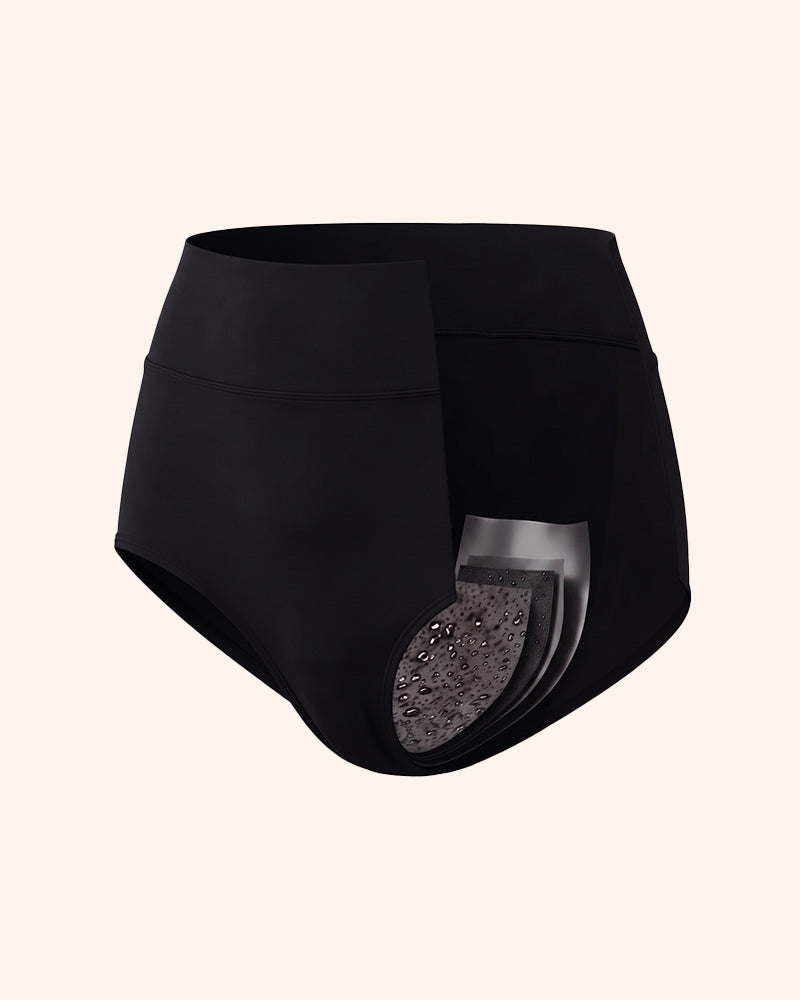
For light, everyday leaks, washable leakproof underwear looks and feels like normal underwear. Wear it under jeans or leggings to the gym, and wash it with your normal laundry. The women's Stay Discreet underwear and men's Stay Discreet underwear are built for light to moderate leaks, without bulk or rustle. Whether wearing them daily is fine for skin is covered here.
One practical tip: bring a spare pair and a small waterproof carry pouch on days you'll be out for hours. Knowing you have a backup in your bag takes the edge off in a way no pep talk does.
When should you get checked sooner rather than later?
Most young-adult leaks aren't dangerous. Some patterns still deserve a prompt appointment, not a wait-and-see:
- Leaks that started suddenly, or got much worse in a few weeks
- Blood in your urine, pain when you pee, or a fever with urinary symptoms
- Trouble starting to pee, a weak stream, or feeling like your bladder never empties
- Numbness, back pain, or leg weakness along with bladder changes
- Leaks after an injury, surgery, or a new medication
Your GP is a fine first stop. Say it plainly: "I'm leaking urine and I want to know why." They've heard it before, probably this week. They can check for infection, review your medicines, and refer you to a pelvic health physio or urologist. If embarrassment is holding you back, read how to talk to your doctor about incontinence before you go. And if leaks started after pregnancy, even a year or two later, see postpartum bladder leaks for how that recovery timeline works.
FAQ
Why am I leaking urine in my 20s if I'm healthy and active?
Because fitness doesn't guarantee pelvic floor coordination. High-impact training, a tight pelvic floor from stress or sitting all day, chronic coughing, and bladder irritants can all cause leaks in healthy young adults. An assessment usually finds the pattern fast.
Can leaking urine in your 30s be normal?
It's common, but "common" and "something to just live with" aren't the same thing. Many 30-somethings leak after a second coffee, during workouts, or around their period. If it's happening regularly, it's worth finding the trigger rather than assuming it's your new normal.
Do bladder leaks in young adults go away on their own?
Sometimes, if the trigger was temporary — a bad cough, a short course of medication, a training block that overloaded your pelvic floor. Leaks tied to muscle coordination or an overactive bladder usually need deliberate work, like physio or bladder training, before they fade.
Can exercise cause bladder leaks in your 20s?
Yes, particularly running, jumping, and heavy lifting, which spike abdominal pressure. That doesn't mean stop exercising. A physio can teach breathing and bracing techniques that let most people keep training with far fewer leaks.
Should I wear incontinence underwear in my 20s?
If leaks are limiting what you do, wearing protection is a practical step, not a defeat. Light, washable leakproof underwear is designed to look like regular underwear, so you can keep running, working, and going out while you work on the underlying cause.
When should a young adult see a doctor about bladder leaks?
Book an appointment if leaks started suddenly, are getting worse, come with pain, blood, fever, or trouble emptying your bladder, or if they followed an injury or new medication. Otherwise, a pelvic health physio is often the most useful first referral.
Leaking in your 20s or 30s feels isolating mostly because nobody talks about it at this age. Once you do — to a physio, a doctor, even a friend who quietly says "oh, me too" — it shrinks back to what it is: a fixable body quirk, not a verdict on your health.


Share:
How Do I Know If I Have Overactive Bladder? Signs, Triggers, and What Helps
What Foods Are Good for Bladder Health? A Bladder-Friendly Eating Guide for Fewer Leaks