

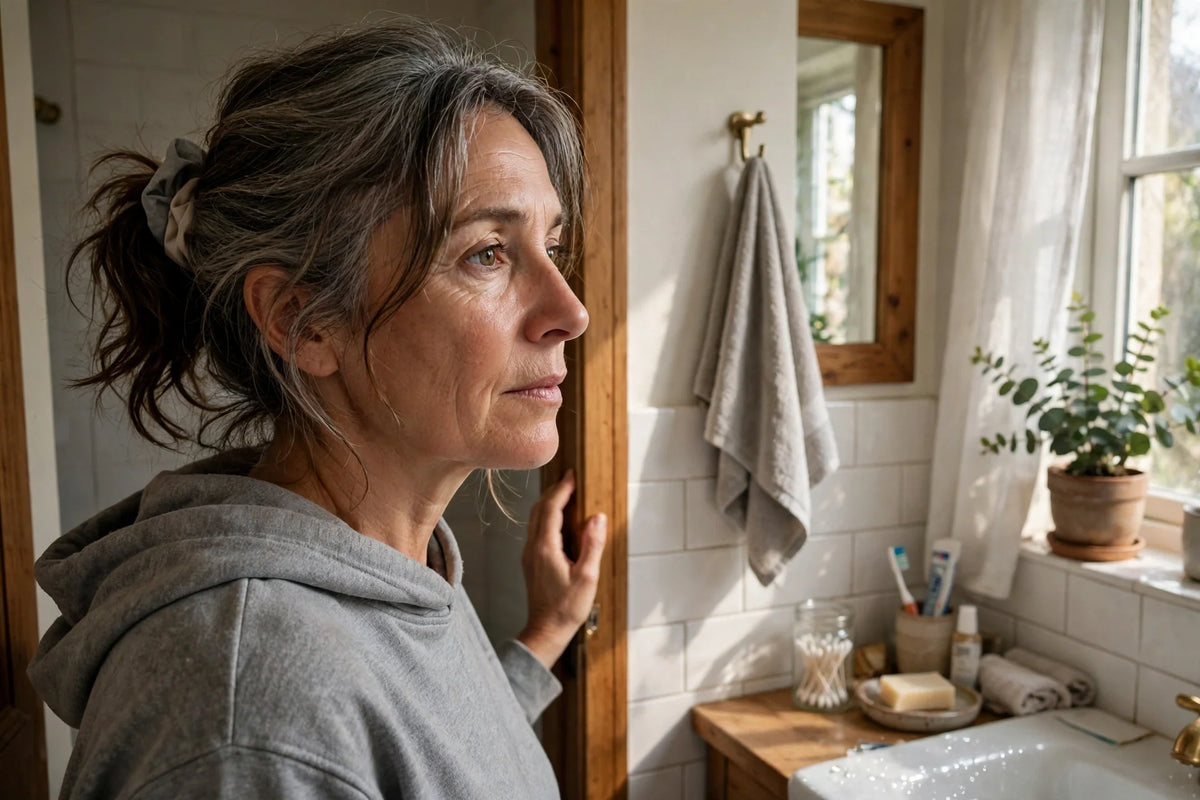
The short answer: that lingering feeling — like you still feel like you need to pee after you peed — usually means one of two things. Either your bladder didn't fully empty, or the nerves around your bladder stayed switched on after you finished. Both are common. Neither automatically means something serious is wrong. But if it keeps happening, it's worth figuring out which one is yours.

It can mess with a normal day in small, annoying ways. A third trip to the bathroom in one hour. Standing in the grocery aisle wondering whether to abandon the cart. Waking at 2 a.m., going, lying back down — and still feeling like you need to go.
What does incomplete emptying actually feel like?
Incomplete emptying isn't one exact sensation. For some people it's a weak stream that stops and starts. For others, the stream feels fine, but the urge hangs around anyway. A few people notice dribbling after they think they're done, or find themselves pushing a little to get the last of it out.
Here's a useful distinction. A sudden, can't-wait urge is one thing — that's urgency. The feeling here shows up after you pee. You went. The pressure stayed. That timing matters, because it points toward a smaller set of causes.
One more thing worth saying plainly: a little of this now and then is normal. A rushed bathroom break, a full bowel, a day with three coffees — any of those can leave you feeling not quite finished. It becomes a pattern worth checking when it sticks around for weeks, or comes with other symptoms.
Why do I feel like I need to pee after I peed?
Several different problems can produce the same nagging feeling. That's why two people with identical symptoms can end up with different answers.
| Possible cause | Clue that points to it | Sensible next step |
|---|---|---|
| Urinary tract infection (UTI) | Burning when you pee, cloudy or strong-smelling urine, new urgency | Ask your clinician for a urine test — don't just wait it out |
| Overactive bladder | Urge hits often, sometimes before the bladder is full | Bladder training and trigger tracking help many people |
| Tight pelvic floor muscles | Pelvic pressure, trouble starting the stream, feeling of not relaxing | Pelvic floor therapy focused on relaxing, not just strengthening |
| Constipation | A full bowel, straining, fewer bowel movements than usual | Fiber, fluids, and not rushing on the toilet |
| Enlarged prostate (in men) | Weak stream, starting and stopping, nighttime trips | A prostate check with your clinician |
| Pelvic organ prolapse (in women) | A heaviness or bulge feeling, worse after standing all day | A pelvic exam and a conversation about support options |
| Urine left behind (retention) | Dribbling after peeing, frequent small trips, trouble starting | Get checked promptly — retention can need treatment |
Notice how constipation shows up on that list. Your bowel sits right next to your bladder. When it's full, it crowds the bladder and can make the whole area feel unsettled. People chase bladder answers for months when the fix started with their gut. Same story with a tight pelvic floor: muscles that never fully let go can keep the bladder feeling "on" even after it's empty. That's also why endless Kegels sometimes backfire — if tightness is the problem, more squeezing isn't the answer.
Does double voiding actually help?
Double voiding is a simple technique, and for a lot of people it genuinely helps. You pee, you wait, you try again. That's it. The trick is in the details.
First, sit down properly and give yourself time — no hovering, no rushing because someone's waiting outside the door. Relax your belly and pelvic floor instead of bearing down hard. When the stream stops, stay put for 20 to 30 seconds. Stand up, walk around the bathroom for a moment, sit back down, and try once more. Rocking slightly forward can help some people get the last bit out.
Don't force it. Straining hard to squeeze out a few more drops can train your pelvic floor to stay tense, which feeds the same problem you're trying to fix. If nothing more comes, that's fine. The point is giving your bladder a second, unhurried chance.
Keep a rough note for a week or two. Does double voiding clear the feeling, or does the urge come back ten minutes later anyway? That answer tells your clinician something useful.
Small habits that take the pressure off
Stop "just in case" peeing before every outing. It feels sensible — one less thing to worry about on the drive — but it teaches your bladder to signal at smaller and smaller volumes. Go when you actually need to go.
Drink steadily through the day instead of gulping a liter at 9 p.m. and then cutting fluids entirely. Cutting back on water doesn't calm a sensitive bladder; it concentrates your urine, which irritates it more. Sip, don't flood, don't starve.
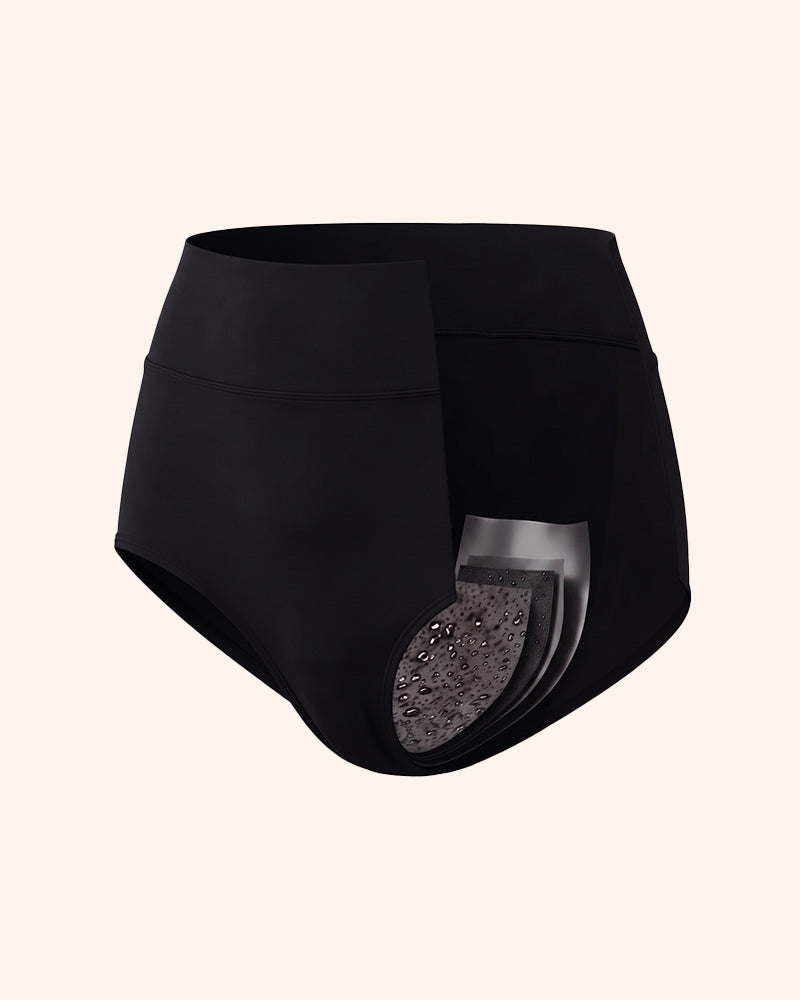
And while you're figuring out the cause, there's no shame in backup. If the lingering urge sometimes comes with a small leak on the way to the bathroom, washable leakproof underwear for women and washable leakproof underwear for men catch the dribble without the crinkle or bulk of a throwaway product. They're a bridge, not a verdict.
When should you get it checked?
Most of the time, this feeling is annoying rather than dangerous. But some signs mean you shouldn't sit on it. Book an appointment sooner if you notice burning or pain when you pee, blood in your urine, a fever, back or side pain, or you genuinely can't pee at all. Same if the feeling started suddenly and hasn't let up, or keeps getting worse week by week.
Men over 50 with a weakening stream, women noticing a heaviness or bulge, and anyone who can't empty their bladder at all should get checked promptly. A clinician can test for infection, check how much urine stays behind after you pee, and look at whether your pelvic floor is tight, weak, or a bit of both.
This article explains common causes. It doesn't replace a clinician's check, and it isn't a diagnosis. If something on that list sounds like you, the next step is a conversation, not a search spiral at midnight.
Related reading
How Do I Know If I Have Overactive Bladder? · UTI vs. Incontinence: How to Tell the Difference · Can Constipation Cause Bladder Leaks? · Bladder Training: How to Reduce Urgency and Frequent Bathroom Trips · When Should You See a Doctor About Bladder Leaks?
Frequently asked questions
Why do I feel like I need to pee after I peed but only a little comes out?
Usually your bladder is either still partly full or its nerves are sending urge signals after emptying. Infection, a tight pelvic floor, constipation, or an overactive bladder can all do this. If only a dribble comes out and the feeling stays, try double voiding once — and get checked if it keeps happening.
Is it normal to feel like you still need to pee after peeing?
Now and then, yes. A rushed trip, a full bowel, or a day heavy on coffee can leave that unfinished feeling. It stops being "just one of those days" when it happens most days for weeks, or when burning, blood, or pain shows up alongside it.
Can anxiety make you feel like you need to pee all the time?
It can, actually. Stress keeps your body on alert, and for some people that alertness lands right on the bladder — you notice every twinge and read it as urgency. The tricky part is that anxiety and a real bladder problem can exist at the same time, so don't assume it's "just stress" without a basic check first.
How do you fully empty your bladder?
Sit, relax, and don't rush. Let the stream finish on its own, wait about half a minute, then try once more after standing and sitting again. Leaning slightly forward sometimes helps. What doesn't help is straining hard — that can leave your pelvic floor tenser than before.
Why do I need to pee again 10 minutes after peeing?
Ten minutes is the classic incomplete-emptying window. Either urine was left behind, or your bladder's urge signals fired again too soon. Track it for a week: if it happens after most trips, that pattern helps your clinician narrow down the cause fast.
Does drinking less water help with the constant urge?
Not really — and it can make things worse. Less water means more concentrated urine, which irritates the bladder lining and can sharpen the urge. Steady sipping through the day beats both dehydration and evening floods.
So here's a practical place to start: try double voiding for a week, keep a simple note of when the feeling shows up, and watch for the red flags above.


Share:
How to Sleep Through the Night With Bladder Leaks: A Calm Nighttime Routine That Actually Works
What's the Difference Between Men's and Women's Incontinence Underwear?