


The short answer: for most people, the workup for bladder leaks is smaller than you'd expect. A conversation, a urine test, and a few days of notes about your bathroom trips will answer most of the doctor's questions. The bigger, machine-based tests only come in when those first steps leave something unexplained.

If you've been putting off the appointment because you picture a long string of awkward procedures, you're not alone. Plenty of people sit on this for months. The first visit usually feels more like a chat than an exam.
What happens at the first appointment?
It starts with questions. When do you leak — when you cough, or when the urge hits out of nowhere? How often? How much — a few drops, or enough to soak through? Does it wake you at 2 a.m., or only show up on a long car ride?
Your doctor will probably ask about your medicines, too. Some common ones — water pills, certain blood pressure drugs, sedatives — can nudge the bladder in the wrong direction. Don't edit the list to look tidy. Bring the actual bottles, or a photo of them on your phone. The boring detail is often the useful one.
Then comes a physical exam. For women, that can mean a pelvic exam to check the pelvic floor muscles and look for prolapse. For men, it can mean a prostate check. Neither takes long. Both can feel awkward. Say so if you're nervous — a good doctor will slow down and explain each step first.
What tests will a doctor do for bladder leaks?
After the history and exam, the testing splits into two groups: the basics nearly everyone gets, and the deeper tests only some people need.
The basics
Urine test (urinalysis, and a urine culture if needed). You pee in a cup. The lab checks for blood, sugar, and signs of infection. A urinary tract infection can mimic incontinence almost exactly, so ruling it out first saves everyone a wrong turn. If bacteria show up, you get treated and the leaks sometimes just stop.
Bladder diary. For two or three days before the visit, you jot down what you drink, when you pee, when you leak, and what you were doing at the time. Yes, it's homework. It's also the single most useful thing you can bring. A diary turns "I go a lot" into "I go nine times a day, and the leaks cluster after my second coffee." That's a pattern a doctor can actually work with. If you want a head start, our guide to keeping a bladder diary walks through the format.
Post-void residual ultrasound. You pee, then the clinician rolls a small ultrasound wand over your lower belly to see how much urine stayed behind. Painless. Takes a couple of minutes. If a lot remains, that points toward incomplete emptying rather than a weak pelvic floor — a different problem with a different fix.
The deeper tests
Pad test. You wear a pre-weighed pad for an hour, or sometimes a full day, doing normal activities — walking, climbing stairs, coughing on cue — and the pad gets weighed again. The weight gain measures the leak. Simple. A bit undignified. Over fast.
Urodynamic testing. This is the one people worry about most, and it's also the one most people never need. A thin catheter fills the bladder with fluid while sensors record pressure as it fills and empties. It sounds like a lot. In practice it takes about 30 to 45 minutes, and most people describe it as uncomfortable rather than painful. Doctors order it when surgery is on the table, or when the diagnosis still isn't clear after the basics.
Cystoscopy. A slim scope looks inside the bladder through the urethra, usually with local numbing gel. It's reserved for specific red flags — blood in the urine, repeated infections, or pain that doesn't fit the usual picture. Not a routine step.
How do the tests compare?
| Test | What it involves | What it shows | Who usually needs it |
|---|---|---|---|
| Urine test | Pee in a cup | Infection, blood, sugar in urine | Nearly everyone |
| Bladder diary | 2–3 days of notes at home | Patterns: timing, triggers, amounts | Nearly everyone |
| Post-void residual ultrasound | Quick scan over the lower belly | Urine left after peeing | Most people, when emptying is in doubt |
| Pad test | Weighed pad worn for an hour or a day | How much you actually leak | When severity needs measuring |
| Urodynamic testing | Catheter and pressure sensors, 30–45 minutes | How the bladder stores and releases urine | Before surgery, or unclear cases |
| Cystoscopy | Slim scope with numbing gel | Inside of the bladder and urethra | Specific red flags only |
Do you need every test on the list?
No. And a doctor who orders all of them at once for a straightforward first visit is worth questioning, not obeying silently. Testing should follow the story your symptoms tell. Small leaks when you laugh, no blood, no pain, no infections? The basics will probably settle it. Leaks plus blood in the urine, or leaks that started suddenly after surgery? That's when the deeper tests earn their keep.
Ask one question before any test: "What will this change about my treatment?" If the answer is vague, it's fair to ask whether you can start with the simpler steps first. Ask what each test costs, too — the bigger two usually need a separate appointment.
How should you prepare?
Three small things make the visit go better. First, the diary — even two days beats none. Second, your medicine list, including over-the-counter stuff and supplements. Third, a short note of your questions, because the moment the doctor walks in, half of them will evaporate.
Don't try to game the tests. Don't chug water beforehand or hold your pee for hours to "give them something to work with." The tests work best on an ordinary day. Ordinary is the point.
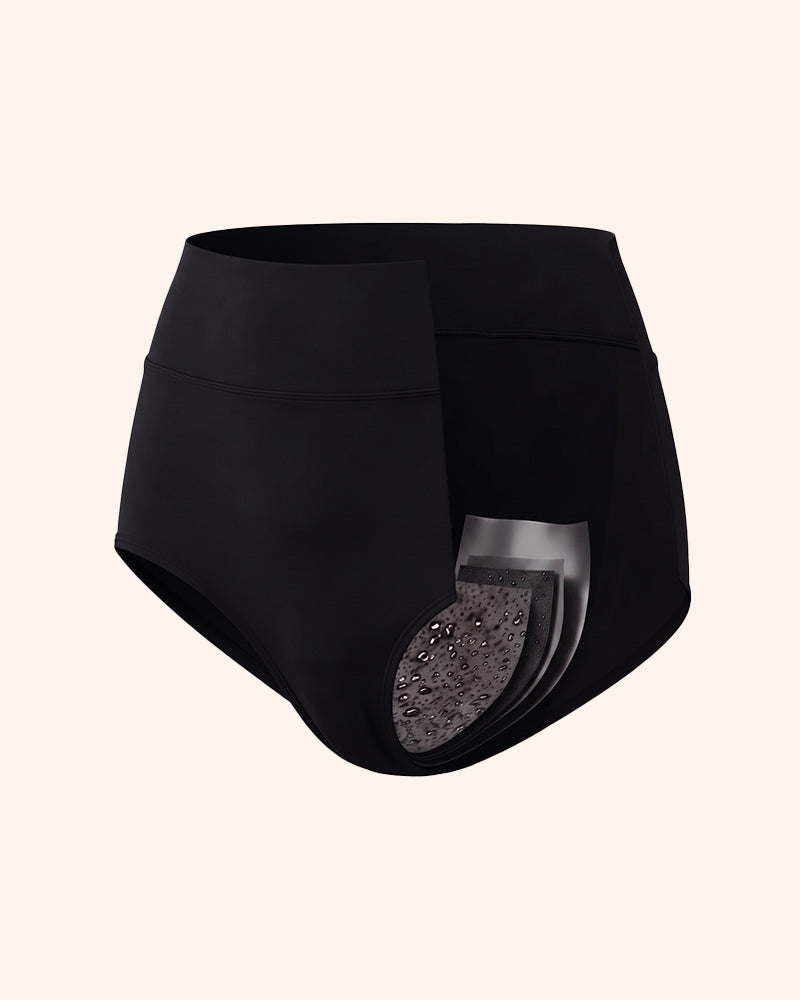
One more practical note: if you already use washable leakproof underwear day to day, wear your usual pair to the appointment. It keeps you comfortable in the waiting room while the workup runs its course. Our men's stay-discreet briefs and women's stay-discreet briefs look and feel like regular underwear.
What happens after the results?
Most results point to a plan, not a verdict. Stress leaks often lead to pelvic floor therapy. Urge leaks often lead to bladder training, fluid and caffeine tweaks, or medication. An infection leads to antibiotics and a recheck. A prostate or prolapse finding leads to a specialist referral. Surgery is a later conversation, not the default next step.
If the first plan doesn't help after a reasonable trial — say, six to twelve weeks of pelvic floor work or a medication adjustment — go back. "It didn't work" is useful information, not a complaint. It narrows the next step.
And if you're still gathering the courage to book at all, our guide on how to talk to your doctor about incontinence covers what to say in the first minute, when the words feel stuck. For the warning signs that mean "don't wait," see when to see a doctor about bladder leaks.
This article is general information, not medical advice — your own clinician's judgment, with your full history in front of them, is what counts.
Frequently asked questions
What tests are done for urinary incontinence?
Usually a urine test, a bladder diary, and a physical exam, plus a quick ultrasound to check leftover urine if emptying is in question. Urodynamic testing and cystoscopy are reserved for unclear or complicated cases.
Does a bladder test hurt?
The basic ones don't. A urine test and an ultrasound are painless, and a bladder diary happens at home. Urodynamic testing and cystoscopy can feel uncomfortable or strange, but both typically use numbing gel, and you can ask the clinician to pause and explain at any point.
How long does urodynamic testing take?
Plan on 30 to 45 minutes in the room, plus waiting time. You'll empty your bladder, have a thin catheter placed, and feel your bladder fill gradually while the equipment records pressures. Most people walk out and get on with their day right after.
Can a urine test show why I'm leaking?
It can rule out one of the most common mimics: infection. It can also flag blood or sugar that points the doctor toward a different cause. What it can't do is diagnose the type of incontinence on its own — that's where the diary and exam come in.
Do I need a cystoscopy for bladder leaks?
Probably not. It's not a routine test for leaks. Doctors usually reserve it for blood in the urine, recurrent infections, pelvic pain, or symptoms that don't match the usual patterns.
What should I bring to my first bladder appointment?
Your medicine list, two or three days of bladder diary notes, and a short list of your own questions. A spare pair of underwear in your bag doesn't hurt either.


Share:
What's the Difference Between Men's and Women's Incontinence Underwear?
Can Holding Your Pee Cause Bladder Leaks? What Happens When You Wait Too Long