


The short answer: Wear leakproof underwear that fits well, pack a small kit — a spare pair, a waterproof pouch, and a few wipes — and know where the restrooms are before you need one. How to manage bladder leaks while shopping comes down to those three habits, plus one mindset shift: shop like someone with a plan.
Picture a Saturday morning. You're halfway down the cereal aisle with a trolley that's already heavier than you planned, and a sneeze arrives out of nowhere. Or you laugh at something your friend says by the bread counter. Shopping is full of these little triggers — lifting a heavy bag, bending for the bottom shelf, cold air from the freezer section. A bit of prep turns the whole thing into background noise.
How to manage bladder leaks while shopping — start before you leave the house
Most of the work happens at home, in about five minutes.
First, pick the right pair for the trip. A twenty-minute grocery run and a four-hour mall trip are not the same job. For the short run, your usual daytime pair is fine. For the long day, go one absorbency level up, or wear a pair with a removable pad you can swap. If you're not sure what level you need, our absorbency guide walks through it in plain terms.
Second, check the fit. Underwear that gaps at the leg will let a leak escape no matter how absorbent the gusset is. Walk to the kitchen and back, sit down, stand up — if it stays put through that, it'll stay put through a supermarket.
Third, use the bathroom before you leave — a two-minute stop buys you the first half hour leak-free. And wear dark bottoms if you can — not because leaks are likely, but because dark fabric is your insurance policy. Our guide to dressing with leaks has more on fabrics and cuts that work.
What goes in the bag?
Keep it small. Five things, tucked into one corner of your bag:
- A spare pair of underwear, folded flat.
- A waterproof pouch for the wet pair if you change.
- Two or three wipes, or a small pack of tissues.
- A small plastic bag for wet items.
- Your phone, to find the nearest restroom.
That's it. The whole kit weighs less than your wallet and fits in a jacket pocket.

What kind of shopping changes the plan?
Not every trip needs the same prep. A ten-minute dash for milk is different from a day at the outlet mall.
| Trip | What to wear | What to pack | Bathroom plan |
|---|---|---|---|
| Quick grocery run, under 30 minutes | Your usual daytime pair, dark bottoms | Nothing extra — your normal bag | At home, before you go |
| Clothes shopping, 1–2 hours | A well-fitting pair, plus a spare in your bag | Spare pair and a waterproof pouch | Find it on arrival, before trying things on |
| All-day mall or outlet trip, 3+ hours | A higher-absorbency pair, or one with a removable pad | Two spare pairs, wipes, pouch, plastic bag | Map both ends; stop every 90 minutes |
What if you leak halfway down an aisle?
First: stop. Not freeze — just stop walking for a few seconds.
Most leaks while shopping are small. A few drops from a sneeze, a dribble when you lift something heavy. Your underwear is built for exactly this. Give it a moment to do its job, then carry on. If it's something bigger, head for the restroom at a normal pace — trolley and all, if you want. Change into your spare pair, bag the wet one in the pouch, and wash your hands. Five minutes, tops.
One thing that helps more than anything else: knowing how your underwear behaves. Wear a pair at home on a normal day — lift the laundry basket, sneeze, laugh at the TV — and notice what happens. That one afternoon of testing buys you months of confidence. Here's how to tell when a pair is full and time to change.
How do you handle a fitting room?
Fitting rooms are the part of shopping that worries people most, and they're actually the easiest place to deal with a leak. You're already behind a curtain or a locked door, with a bench and a mirror and nobody watching. Try clothes on over your leakproof underwear, not instead of it — it looks like underwear, and it stays on while you try on jeans or a dress over the top.
If you do leak while trying things on, change into your spare pair right there. Bag the wet pair in the pouch and drop it in your tote. If the garment you're trying on got damp — rare, but it happens — just fold it neatly and hand it back with the others. Shops launder or steam returned try-ons as a matter of routine.
What about the checkout line?
The checkout queue is the worst spot for urgency — your trolley is full, your place in line matters, and the person behind you is already sighing.
Go to the bathroom before you join the queue. Every big supermarket has restrooms near the entrance or the back wall, and the two-minute detour is worth it. If the queue is already long, ask the person behind you to watch your trolley for a moment. "Could you keep an eye on this for two minutes?" People say yes.
While you're waiting, don't stand still and tense up. Shift your weight from foot to foot. Cross your legs if it helps — the old crossed-legs squeeze really does buy you a few minutes.
How do you plan a big shopping day so leaks don't run it?
A big day out needs a bit more thought — same rules, scaled up.
Start with the bathroom map. When you arrive at a mall, note the restrooms near the entrance and the ones at the far end. Most malls have them at both ends and near the food court — three known stops for the whole day, and just knowing they're there takes the edge off.
Stop every hour and a half, whether you feel the urge or not. Timed bathroom trips — emptying on a schedule instead of waiting for urgency — are one of the simplest habits that work. Rushing a bathroom visit is how you leave half a bladder behind and need to go again twenty minutes later.
Carry water, but sip it. Some people stop drinking entirely before a long day out, which backfires — concentrated urine irritates the bladder and makes urgency worse. A small bottle and steady sips will serve you far better than going thirsty.
It's not one big thing. It's the pair that fits, the spare in the bag, the bathroom stop before the queue. Most people find that after a few outings with a plan, the worry fades faster than the leaks do. The first trip feels like a mission. The fifth feels like shopping.
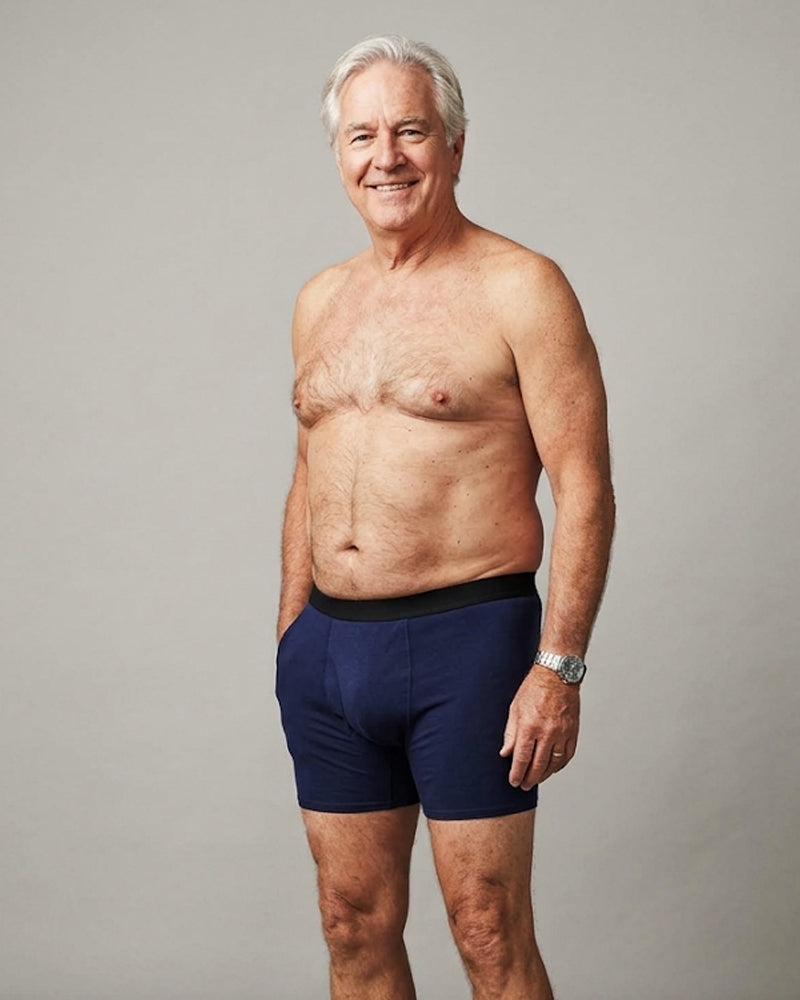
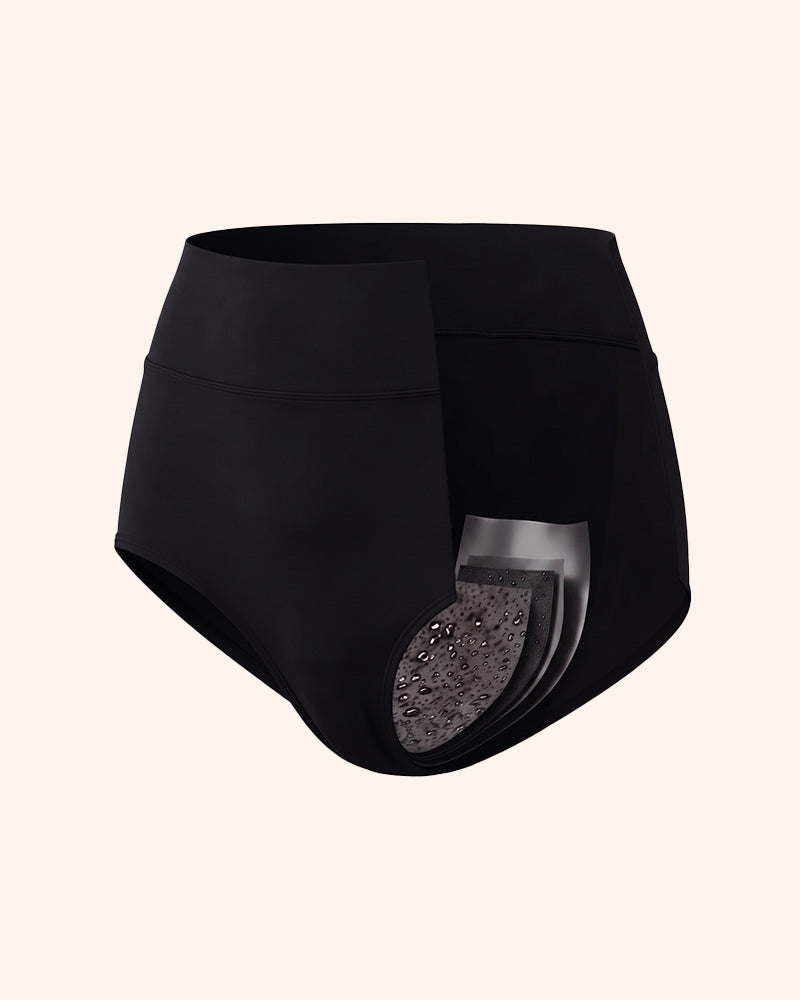
The women's leakproof underwear and men's leakproof underwear both come in light and moderate absorbency and wash like normal underwear — cold rinse first, then a normal cycle.
Frequently asked questions
Can I wear incontinence underwear while shopping?
Yes — that's exactly what it's made for. Leakproof underwear looks and feels like regular underwear under your clothes, and it handles the small leaks that shopping triggers: a sneeze in the cereal aisle, lifting a heavy bag, laughing with a friend.
How do I change underwear in a store bathroom?
Take your small kit into the stall: spare pair, pouch, wipes. Change the way you would at home, bag the wet pair in the pouch, and carry on. A family or accessible restroom gives you more space, and our step-by-step public restroom guide walks through the whole thing.
What if I leak in a fitting room?
Change into your spare pair right there — you're already behind a curtain with a bench and a mirror. Bag the wet pair and keep shopping.
How do I manage bladder leaks while shopping for hours?
Go one absorbency level up from your everyday pair, or choose a style with a removable pad you can swap halfway through the day. Pack two spares instead of one, map the mall restrooms when you arrive, and stop every ninety minutes whether you feel the urge or not.
How do I stop worrying about leaks while shopping?
Test your underwear at home first, on a normal day, doing normal things. Once you've seen it handle a sneeze and a laundry basket without a problem, the worry drops fast — and a simple routine for how to manage bladder leaks while shopping does the rest: right pair, spare in the bag, bathroom before the queue. Most people find the anxiety fades within a few outings.
Related reading: How to Manage Bladder Leaks at a Restaurant · Can People Tell You're Wearing Incontinence Underwear? · How Many Pairs of Incontinence Underwear Do You Need?

Share:
How to Manage Bladder Leaks at the Gym: A Practical Guide to Workouts Without Worry
Can You Wear Incontinence Underwear With a Catheter? What to Know After Prostate Surgery