


The short answer: If you're figuring out how to help your husband with incontinence after prostate surgery, it comes down to three things: set the house up so leaks are no big deal, let him lead on how much help he wants, and know which changes are normal and which ones mean calling the doctor. Most men leak for a while after this surgery, and it gets better for most of them. Your job isn't to fix it — it's to make the weeks after surgery easier to live through.
Here's the part nobody puts in the discharge papers. The surgery gets all the attention. Then he comes home with a catheter, a bag of pads, and a dozen questions neither of you thought to ask. The nurse showed you how to empty the bag once, fast, while you were both still half-asleep.
That first stretch is the hardest. Not because of the leaks. Because neither of you knows what's normal yet.
What Does Recovery Actually Look Like in the First Few Weeks?
For most men, the catheter comes out within a week or two. The day it comes out feels like a finish line. It isn't. It's the start of the messy middle.
Once the catheter is gone, leaks show up in ordinary moments. Standing up from a chair. Coughing. Walking to the kitchen for a glass of water. A sneeze he didn't see coming. That's stress leakage — the muscles that hold urine in are still waking up — and it's the most common kind in the first weeks.
How long does it last? There's no single answer. A lot of men see real improvement inside the first three months. For others it takes longer, sometimes up to a year, and the gains come in small steps rather than one big jump. Some men keep needing light protection long-term.
What helps is boring, practical stuff. Timed bathroom trips instead of waiting for the urge. Short walks, further each day. Pelvic floor exercises, once his surgeon clears him — our guide to pelvic floor exercises for bladder leaks covers the how. And patience. More than either of you thinks you have.
How to Help Your Husband With Incontinence After Prostate Surgery at Home
Forget grand gestures. The help that matters is the kind he barely notices.
Start with the bathroom. A small stack of clean underwear and pads in the top drawer — his drawer, not a pile on the counter that announces itself to every guest. A lidded bin beside the toilet. A waterproof pouch in his jacket pocket, so a spare pair rides along on days out.
Then the bedroom. A spare set on his side of the bed, a washable mattress protector under the sheet, a dark towel at the foot of the bed. None of this needs a conversation. It just needs to be there.
Laundry becomes part of the routine. Rinse, wash cold in a mesh laundry bag, skip the fabric softener — it coats the absorbent layers and makes them work less well. By the third load this week, it'll be habit. Our guide to washing reusable bladder leak underwear covers the details.
Ask once, then drop it. "Do you want me to grab the pads from the pharmacy?" is plenty. Standing in the doorway checking whether he's changed yet is not help.
Let him do the parts he can do. His laundry, his choice — or yours for a few weeks, if he asks.
Pads or Washable Underwear: What Works Better Once the Catheter's Out?
Short version: most men use both, at different stages. The table below is the honest comparison.
| Disposable pads | Washable leakproof underwear | |
|---|---|---|
| Best for | Heavy early leaks | Lighter leaks as things improve |
| Feel | Bulkier, can shift | Feels like normal underwear |
| Cost over a month | Adds up fast | Higher upfront, then laundry |
| Changing on the go | Easy to toss | Swap and pouch the used pair |
| Laundry | None | Cold wash, air dry or low heat |
| Skin | Can feel warm and damp | Breathable, less irritation |
In the early weeks, when leaks are heaviest, pads inside regular underwear make sense. As leaks lighten, washable underwear starts winning — quieter, looks like normal underwear, nothing to throw away in a restaurant bathroom.
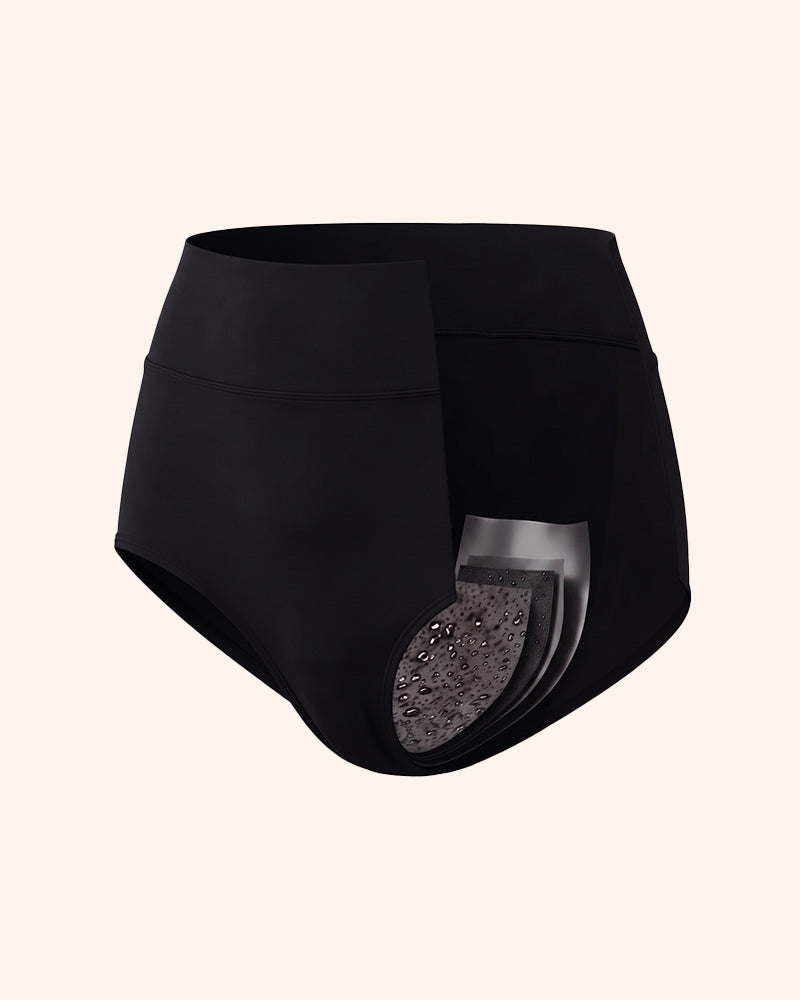
Two styles work well after surgery. Our men's Stay Discreet washable underwear has absorbency built in; the version with a removable absorbent pad lets him adjust day by day. Buying for him? Read our guide to buying incontinence underwear for someone else first. And if he's still got the catheter, check whether incontinence underwear works with a catheter before ordering.

How many pairs does he need? Enough that laundry day never becomes an emergency — five to seven is a solid start. Our guide to how many pairs of incontinence underwear you need works it out by leak level.
What Should You Say — and What Should You Not Say?
The best line here is boring. "There's a clean pair in the top drawer." That's it. Dull is kind — dull means it's normal, and normal is exactly what he needs to hear.
A few things to skip:
- Don't minimize it. "It's just a little leak" sounds reassuring to you. To him, it sounds like you're saying his problem is small. He already knows how big it feels.
- Don't narrate it. "You leaked again" helps no one. If he asks for help, give it without commentary.
- Don't joke about it. Not yet. Maybe in a year, if he starts the joke. Let him decide when it's funny.
- Don't share the news for him. Who knows about the surgery is his call. If his brother asks how he's doing, that's his conversation to have — or not have.
What about intimacy? It usually comes up later than you'd think, once the catheter is gone and the fear has eased a little. If leaks during sex are part of the worry, our article on bladder leaks during sex covers the practical side.
When Should You Call the Doctor?
Most of recovery is slow and uneventful. But some things are worth a phone call the same day:
- He can't pee at all, or the flow stops suddenly.
- Blood in his urine that doesn't clear up after a day or two.
- Fever, chills, or burning that gets worse instead of better.
- Severe pain, or swelling around the catheter site.
- Leaks that were getting better suddenly get much worse.
Don't wait for the next appointment. Call the clinic — that's what the number on the discharge sheet is for. Nurses would rather answer a question than treat a problem that waited too long.
Who Looks After You?
Here's the part that gets skipped in every guide written for the patient. You're doing the laundry, the driving, the pharmacy runs, the worrying. Sleeping lightly in case he needs something at night. That's a lot, and it adds up quietly.
You don't have to be cheerful about it, or strong every minute. Tell one person — a friend, a sister, your own doctor — that this is hard. Take the walk. Eat a real lunch, not standing at the counter. Looking after yourself isn't selfish. It's maintenance.
Start with the drawer. Clean pairs, a pouch, a plan for the laundry. The rest you figure out week by week.
Frequently Asked Questions
How long does incontinence last after prostate surgery?
It varies a lot. Many men notice clear improvement within the first three months, and progress often continues for up to a year. Some still need light protection after that. If leaks aren't improving by the three-month follow-up, raise it with the surgeon.
How to help your husband with incontinence after prostate surgery without embarrassing him?
Keep it private and practical. Set up supplies quietly, use plain language, and don't comment on leaks when they happen. Ask once whether he wants help with something, then let him decide. The less ceremony around it, the less embarrassing it feels.
Should my husband wear incontinence underwear or pads after prostate surgery?
If you're working out how to help your husband with incontinence after prostate surgery, start with pads for the heavy early weeks. Once leaks lighten, washable underwear tends to be more comfortable and discreet. A style with a removable pad lets him adjust the absorbency as recovery moves along.
Is it normal to still leak urine months after prostate surgery?
Yes, for a fair number of men. Improvement is usually gradual — fewer pads per day, longer stretches between changes — not an overnight stop. Pelvic floor exercises can help. If leaks are getting worse instead of better, call the clinic.
What helps men regain bladder control after prostate surgery?
Pelvic floor exercises are the main one, once the surgeon says it's time. Timed bathroom trips, short daily walks, and not holding urine for hours also help. Mostly it takes time — the muscles and nerves around the bladder heal slowly, and steady small gains are normal.


Share:
How to Manage Bladder Leaks at a Funeral: A Practical Guide for a Hard Day
How to Manage Bladder Leaks at the Dentist: A Practical Guide for Appointments