


The short answer: A booster pad is a slim absorbent insert that sits inside your underwear to add extra capacity. It won't turn light protection into heavy protection, but it can buy you an extra hour or two on a long day.
You've probably seen them in the incontinence aisle: flat, rectangular pads with no adhesive wings and no waterproof backing. So, what are booster pads for incontinence, exactly? They're inserts, not standalone protection. A booster pad holds urine and passes it through to the pad or underwear underneath. That's the whole trick — and the whole limit.
What Are Booster Pads for Incontinence, and How Are They Different From Regular Pads?
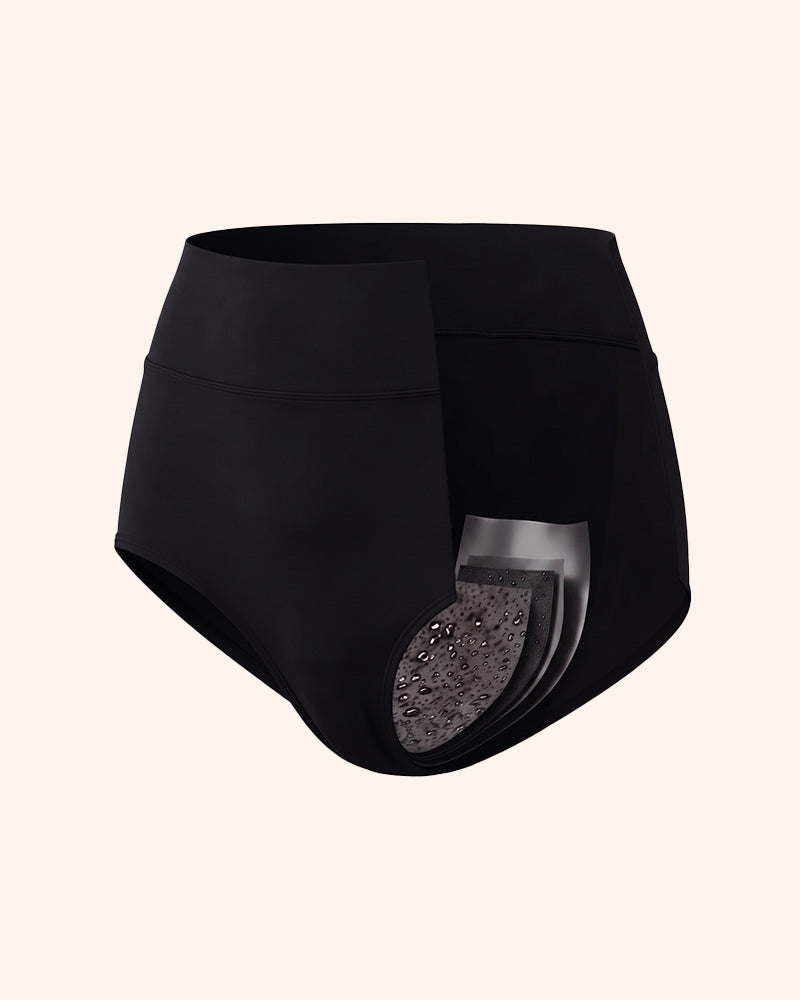
A regular incontinence pad has a waterproof backing: it catches leaks and holds them. A booster pad has no backing at all. Liquid flows straight through it into whatever sits below — your leakproof underwear, a disposable pad, or a pull-up.
Think of it like a sponge on top of a towel. The sponge grabs the first rush; the towel underneath does the real holding. On its own, a booster pad is useless — it would soak through in minutes.
That sounds like a design flaw. It's the point. With no plastic backing, a booster pad is thinner and softer than a full pad, adding roughly 150 to 300 ml, based on the size, on top of what your underwear already holds. For a lot of people, that's the difference between changing at 2 p.m. and making it to dinner.
When Does a Booster Pad Actually Help?
Long days with no easy change. A six-hour drive, a flight with a middle seat, a wedding where the bathroom line never ends. Slip a booster in before you leave and you've bought yourself time.
Heavier days, same underwear. A cold makes you cough. Your period week changes everything. A booster pad lets you keep the pair you like and just add capacity for the day.
Nighttime backup. If you leak once around 3 a.m., the insert takes the hit and you don't have to change sheets at 3:15. If nighttime leaks are your main problem, though, a dedicated nighttime pair usually works better — our guide to day and night underwear walks through that choice.
Booster Pad vs. Higher-Absorbency Underwear vs. a Disposable Pad
Here they are side by side.
| Option | Extra capacity | Bulk | Cost over time | Best for |
|---|---|---|---|---|
| Booster pad (reusable or disposable) | About 150–300 ml | Very slim | Low per use; reusables pay for themselves in weeks | Occasional long days, heavier days, nighttime backup |
| Higher-absorbency underwear | Built in — up to 300 ml in some styles | Feels like regular underwear | One-time purchase, wash and reuse | Everyday leaks at that level |
| Disposable pad inside regular underwear | Varies, often 200–500 ml | Noticeable, can bunch | Adds up fast if used daily | Short-term use, travel, post-surgery recovery |
The pattern is simple. If you reach for a booster pad every single day, your base layer probably needs an upgrade. Twice a week, on the days that run long? That's exactly what boosters are for.
How to Use a Booster Pad With Leakproof Underwear
It takes about ten seconds, but placement matters.
First, lay the booster flat inside the gusset — the absorbent panel, not the waistband. Center it where leaks actually land: the middle of the gusset for most women, a bit further forward for most men.
Don't fold it or double it up. A folded booster bunches, and a bunched booster channels liquid straight to the edges — which is how you end up with a damp waistband and a dry middle.
Change the booster when it feels heavy or damp on top, even if your underwear still feels dry. That's the system working. A small waterproof pouch in your bag holds two or three spares.
Do Booster Pads Work for Men?
Yes — and for men after prostate surgery, they're one of the most practical tools around. Here's why.
Post-surgery leaks are often light but unpredictable: a few drops when you stand up, a small gush when you cough. A booster pad inside leakproof underwear catches those dribbles without the crinkle and bulk of a disposable.
The trick is fit. Men's underwear with a removable absorbent pad already has a pocket designed for an insert — the booster sits in it and stays put. In regular briefs, a booster can slide forward or bunch at the leg opening, especially if you walk a lot. A reusable absorbent pad made for men's underwear works the same way: it adds capacity to the pair you're already wearing and washes with the rest of your laundry.
What Can Go Wrong
Booster pads are simple, but most failures come down to fit.
Leaks at the edges. If the booster is narrower than the gusset, liquid runs off the sides. Match the insert to your underwear size.
Bunching. Too big an insert, or one placed too far forward, folds when you sit — and a folded booster channels liquid to the edges. Smooth it flat every time you put it in.
Skin irritation. A damp booster sitting against skin all day can chafe, especially in warm weather. Change it when it feels wet, not when you get around to it. Our guide to skin irritation covers what helps.
Odor. A used booster left in a warm bag for hours will smell. Seal it in a pouch and wash reusable ones promptly — don't let them sit in the hamper for three days. Our notes on keeping reusable underwear fresh apply here too.
False confidence. A booster pad adds capacity, not certainty. If you're soaking through both the booster and your underwear, the answer isn't a second booster — it's a higher-absorbency pair, or a chat with your doctor if the change came on suddenly. Our guide to choosing the right absorbency helps you read those signals.
How to Wash a Reusable Booster Pad
Wash them like your leakproof underwear: cold or warm water, mild detergent, no fabric softener, no bleach. Softener coats the fibers and kills absorbency.
Rinse first if the pad is heavily soiled, then toss it in a mesh laundry bag with your underwear. Air dry if you can; low heat in the dryer is fine if you're in a hurry.
Keep a small rotation — four to six reusable boosters covers a week of occasional use, and beats a box of disposables on price within a month.
Frequently Asked Questions
What are booster pads for incontinence, exactly — are they the same as regular pads?
No. A regular pad has a waterproof backing and works on its own. A booster pad has no backing: it absorbs a first rush and passes the rest through to the underwear or pad underneath. It only works as part of a pair — booster plus absorbent underwear — never alone.
Can you wear a booster pad with regular underwear?
You can, but it won't do much. Without an absorbent layer underneath, the liquid passes straight through the booster and into your regular underwear. That's why the answer to what are booster pads for incontinence always comes with a second half: they're meant to sit inside leakproof underwear, not on their own.
How often should you change a booster pad?
When the top feels damp or heavy — usually every 3 to 4 hours on a normal day, sooner on a heavy day. The underwear underneath often stays dry, so you only swap the insert. Our guide to how often to change incontinence underwear covers the timing in more detail.
Can you wear two booster pads at once?
One is the limit for most products. Two stacked inserts bunch, shift, and leak more than one flat one. If a single booster isn't enough, step up to a higher-absorbency pair instead.
Do booster pads stop leaks completely?
They reduce leaks by adding capacity — they don't guarantee zero leaks. A well-fitted booster in well-fitted leakproof underwear handles light to moderate leaks well, but a sudden full-bladder gush will overwhelm any insert. That's the honest limit of what booster pads for incontinence can do: extra room, not a seal.
Are reusable booster pads worth it?
If you use them more than a couple of times a week, yes — a reusable pad costs about the same as a few disposables and lasts for months of washes. For an occasional long flight, a small pack of disposables is simpler.
Try a booster pad on an ordinary day at home first — not on the morning of a six-hour drive. One afternoon will tell you whether the fit works, how long it lasts, and whether your underwear is doing its half of the job. If it does, you've added a cheap, quiet tool to your routine. If it doesn't, you've learned something useful for less than the price of lunch: size up your absorbency, not your inserts.



Teilen:
Can You Wear Incontinence Underwear With a Catheter? What to Know After Prostate Surgery
How to Manage Bladder Leaks on Your Wedding Day: A Practical Guide for Brides and Grooms