

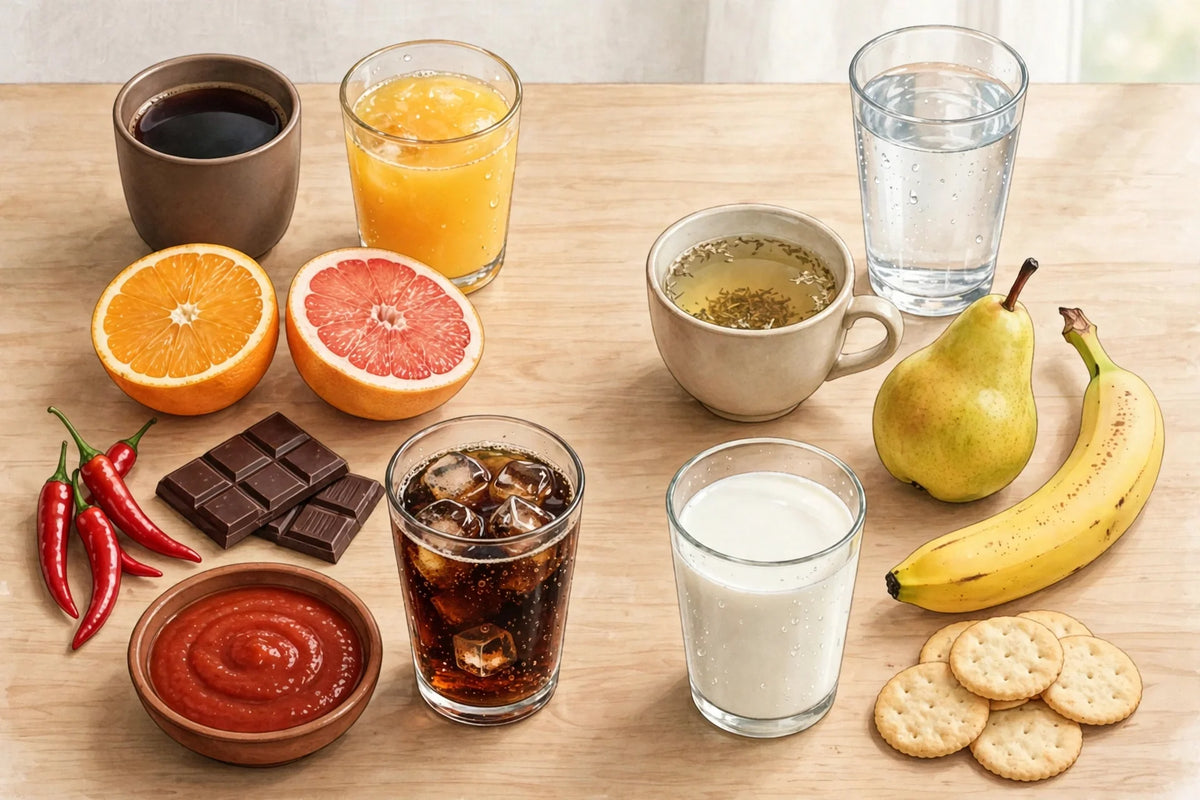
The short answer: If you're wondering what foods irritate the bladder, the usual suspects are caffeine, alcohol, citrus fruits and juices, tomatoes and tomato-based sauces, spicy foods, chocolate, carbonated drinks, and artificial sweeteners. These common bladder irritants can make your bladder feel fuller faster, trigger urgency, and make leaks more likely. The good news: most people only react to one or two of them, and simple swaps can make a real difference without overhauling your whole diet.

What Are Bladder Irritants?
Bladder irritants are foods and drinks that stimulate the bladder lining or act as mild diuretics, increasing urine production or making the bladder muscle more sensitive. When the bladder is irritated, it can send "I need to go" signals even when it isn't full — which is exactly why urgency and leaks can spike after certain meals or drinks.
It's important to understand that bladder irritants don't cause incontinence on their own. If you have stress incontinence (leaks when you cough or exercise), the root cause lies elsewhere — but irritants can lower the threshold at which symptoms show up. For urge incontinence, where an overactive bladder muscle is already the problem, irritants pour fuel on the fire.
What Foods Irritate the Bladder the Most?
Researchers and urologists generally agree on the same lineup of common bladder irritants. Here's what to watch for, and why each one can be a problem:
1. Caffeine (coffee, tea, energy drinks)
Caffeine is both a mild diuretic and a bladder stimulant — it increases urine production while making the bladder muscle more reactive. Decaf can bother sensitive bladders too, since it still contains small amounts of caffeine plus coffee's natural acidity. Our detailed guide explains what caffeine does to your bladder and how to cut back comfortably.
2. Alcohol (wine, beer, cocktails)
Alcohol suppresses the hormone that helps your body reabsorb water, so you produce more urine — and it dulls the brain's ability to recognize full-bladder signals. See how alcohol affects bladder control.
3. Citrus fruits and juices
Oranges, grapefruits, lemons, and limes — and especially their juices — are highly acidic, and that acidity can irritate a sensitive bladder lining. Many people tolerate small amounts of whole fruit but react to a big glass of juice on an empty stomach.
4. Tomatoes and tomato-based foods
Tomatoes, tomato sauce, salsa, ketchup, and pizza sauce combine acidity with natural compounds that can trigger urgency in sensitive bladders. Cooked tomato products (like pasta sauce) tend to bother people more than a few fresh cherry tomatoes.
5. Spicy foods
Chili peppers, hot sauce, curry, and wasabi contain capsaicin and related compounds that can irritate the urinary tract. The effect is highly individual — some people eat spicy food daily with no issue, others notice urgency within hours.
6. Chocolate
Chocolate contains both caffeine and theobromine, a related stimulant — dark chocolate and cocoa have the highest levels. If you're a daily chocolate eater with urgency symptoms, it's worth testing a break.
7. Carbonated drinks
Sparkling water, soda, and tonic water can irritate the bladder even without caffeine or sugar — the carbonation itself is the trigger for many people, which is why some find relief simply by switching to still water.
8. Artificial sweeteners
Saccharin, aspartame, and sucralose appear in diet sodas, sugar-free gum, and "light" products. Several studies and patient surveys link them to increased urgency and frequency in sensitive individuals.
Common Bladder Irritants vs. Gentler Swaps
Calm your bladder without giving up flavor — here are gentler swaps for the most common irritants:
| Common bladder irritant | Why it bothers the bladder | Gentler swap to try |
|---|---|---|
| Coffee and espresso | Caffeine + acidity | Chicory "coffee," low-acid coffee, or herbal tea |
| Orange and grapefruit juice | High acidity | Pear or apple juice, diluted |
| Tomato sauce and salsa | Acidity + natural irritants | Pesto, olive oil, or white sauces |
| Hot sauce and chili peppers | Capsaicin irritation | Mild herbs, sweet peppers |
| Cola and energy drinks | Caffeine + carbonation | Still water with cucumber or mint |
| Diet soda | Artificial sweeteners + carbonation | Still water, coconut water |
| Dark chocolate | Caffeine + theobromine | White chocolate or carob treats |
| Wine and cocktails | Diuretic effect + bladder signals | Smaller pours, extra water between drinks |
Why Do Bladder Irritants Cause Urgency and Leaks?
There are three main mechanisms at work:
- Increased urine production: Caffeine and alcohol are diuretics — they make your kidneys produce more urine, so your bladder fills faster and you need to pee more often than usual.
- Bladder muscle stimulation: Acidic foods, spicy compounds, and carbonation can make the detrusor (bladder wall) muscle more reactive, creating sudden, hard-to-ignore urges.
- Sensitized lining: If your bladder lining is already sensitive — common after menopause, urinary infections, or years of urgency — irritants can amplify pain and pressure signals, making a half-full bladder feel urgent.
The effect is also dose-dependent and cumulative: one cup of coffee might be fine, but three cups plus orange juice plus a spicy lunch can tip the balance. That's why the "test, don't guess" approach below works better than blanket bans.
How to Test Your Own Triggers Without Giving Up Everything
Eliminating every potential irritant at once is miserable and unnecessary. Try a simple two-week experiment instead:
- Cut the big two first. Reduce caffeine and alcohol for two weeks — the strongest and most common triggers. Many people see noticeable improvement from this step alone.
- Reintroduce one at a time. Add back a single food or drink for 2–3 days and note any change in urgency or leaks. A simple bladder diary makes patterns obvious.
- Test the rest in order of suspicion. Try a short break from citrus, tomato products, spicy foods, chocolate, carbonated drinks, and artificial sweeteners — one at a time, not all at once.
- Keep what works. Most people end up with a short personal "watch list" of one or two true triggers. That's the goal.
Pairing this experiment with bladder training techniques can help you regain control while you identify your triggers.
What Should You Drink Instead?
Staying hydrated matters — cutting fluids back to avoid leaks usually backfires, since concentrated urine irritates the bladder more. Aim for pale-yellow urine as your guide, and lean on these bladder-friendly choices:
- Still water — the safest default, sipped through the day rather than in big gulps.
- Pear and apple juice — low-acid fruit options that most sensitive bladders tolerate.
- Herbal teas — chamomile, peppermint (for some), and rooibos are caffeine-free and gentle. Skip blends with hibiscus or citrus peel if you're testing acidity.
- Milk and milk alternatives — generally well tolerated and a good calcium source.
One practical tip: if you're not ready to give up morning coffee, try a smaller cup with food rather than on an empty stomach, and follow it with a glass of water.
When Diet Changes Aren't Enough
If you've identified and reduced your triggers but leaks continue, the underlying cause likely needs more attention — pelvic floor weakness, an overactive bladder, or a medical condition. That's worth a conversation with your doctor; see our guide on warning signs that mean it's time to see a doctor.
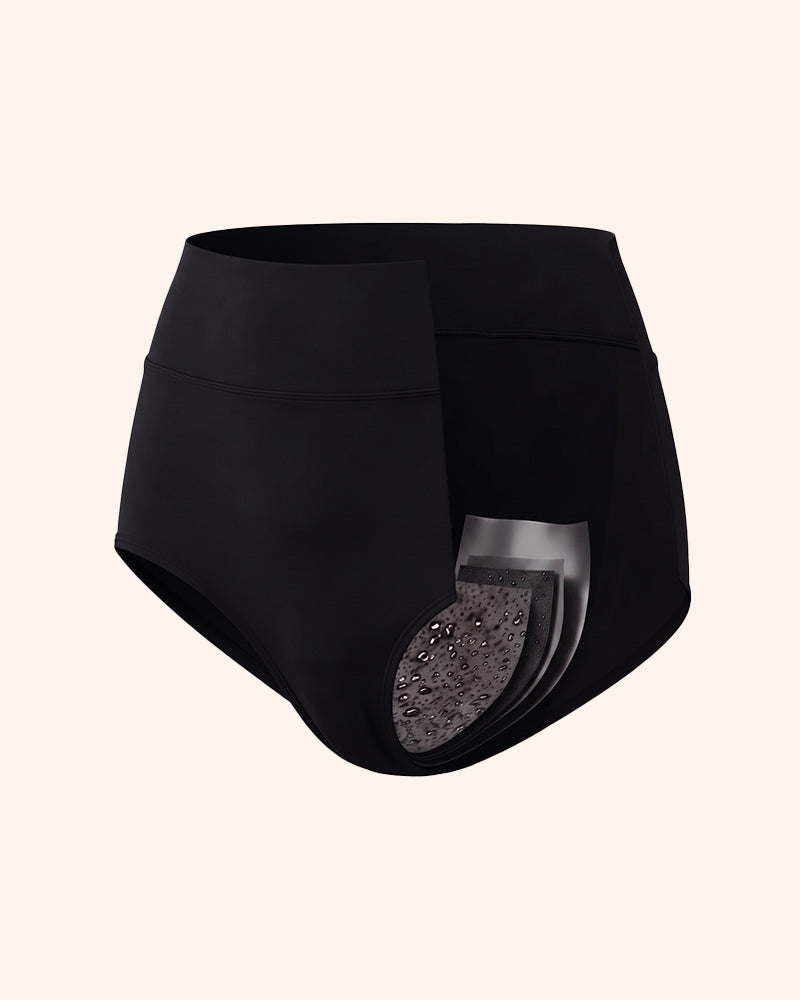
In the meantime, the right protection can give you back your confidence while you work on the root cause. Women's leakproof underwear and men's leakproof underwear look and feel like regular underwear while absorbing leaks discreetly — so a surprise trigger food doesn't have to ruin your day.
Frequently Asked Questions
What foods irritate the bladder and cause frequent urination?
The most common bladder irritants are caffeine, alcohol, citrus fruits and juices, tomatoes and tomato sauces, spicy foods, chocolate, carbonated drinks, and artificial sweeteners. They can increase urine production or make the bladder muscle more reactive, causing frequent bathroom trips and urgency. Most people only react to one or two items on the list.
Can spicy food cause bladder leaks?
Not directly, but capsaicin and related compounds in chili peppers, hot sauce, and curry can irritate the urinary tract and worsen urgency in sensitive bladders. If symptoms flare after spicy meals, try milder seasonings for a couple of weeks and compare.
Are bananas and pears really bladder-friendly?
Yes — pears, bananas, apples, and blueberries are among the least acidic fruits and widely recommended for sensitive bladders. Pear juice in particular is often suggested as a gentle alternative to citrus juice, though individual tolerance varies.
How long does it take for bladder irritants to leave your system?
Most people notice improvement within a few days to two weeks of cutting back on their main triggers. If there's no change after two to three weeks, your leaks likely have a different primary cause worth discussing with your doctor.
Should I drink less water to avoid bladder leaks?
No — this is one of the most common mistakes. Drinking too little concentrates your urine, which irritates the bladder lining more and can actually worsen urgency and odor. Keep drinking water steadily through the day; just avoid large amounts right before bed or long outings.


Teilen:
Welche Größe sollten Sie bei Inkontinenzunterwäsche wählen? Ein praktischer Ratgeber zu Passform und Größenwahl
Können Blaseninleichen ohne Operation behoben werden? Nicht-chirurgische Optionen, die wirklich helfen