


Some days you barely think about your bladder. Then, out of nowhere, the leaks are back — bigger, more frequent, harder to predict. If you've ever wondered, "why do my bladder leaks come and go?" you're not alone. Fluctuating symptoms are one of the most common things people report about incontinence, and they're rarely random. Once you understand what moves the dial, those "bad days" start to feel a lot less mysterious — and a lot more manageable.
The short answer: Bladder leaks fluctuate because the bladder responds to hormones, hydration, what you drink and eat, stress, constipation, illness, and how active you are. Good days and bad days usually have an explanation. A short diary kept for a week or two can reveal your personal pattern — and matching your protection level to the day ahead keeps you comfortable without over-preparing on good days.

Why Do My Bladder Leaks Come and Go?
The bladder isn't a simple on/off switch. It's a muscular organ influenced by nerve signals, pelvic floor support, hormones, and fluid balance — all of which change day to day. That means your leak symptoms can rise and fall even when the underlying condition hasn't changed. Think of it less like a broken pipe and more like a joint that's stiffer on cold mornings: the structure is the same, but the conditions around it shift.
For stress incontinence (leaks when you cough, sneeze, laugh, or lift), symptom intensity often tracks with anything that changes abdominal pressure or pelvic floor fatigue. For urge incontinence (a sudden, hard-to-hold urge), anything that irritates the bladder lining or speeds up urine production can turn a calm day into a difficult one. Mixed incontinence, which combines both, can fluctuate for either reason. If you're not sure which type you have, this guide to stress vs. urge incontinence walks through the differences.
The Most Common Reasons Bladder Leaks Fluctuate
1. Hormonal shifts
Estrogen helps keep the tissues of the urethra and pelvic floor supple and well supported. Many women notice leaks worsening in the days before their period, during perimenopause, or after menopause — classic hormone-driven fluctuation. If this sounds familiar, read why bladder leaks get worse before your period.
2. What you drink
Caffeine and alcohol are bladder irritants and mild diuretics: they both increase urine production and can make the bladder more twitchy. A weekend with extra coffee or a couple of drinks can easily explain a "bad Monday." We break down the details in our guide to caffeine and bladder leaks and alcohol and bladder control.
3. How much water you drink
It seems backward, but drinking too little can make leaks worse: concentrated urine irritates the bladder and can trigger urgency. Many people also find symptoms swing with seasonal heat, sweating, and fluid intake. Learn more in can dehydration cause bladder leaks?
4. Stress and anxiety
Tension changes breathing patterns, tightens the pelvic floor (sometimes too much), and heightens your awareness of urgency. Big deadlines, travel, arguments — emotional days are often leaky days. See the mind–bladder connection.
5. Constipation
A full bowel presses on the bladder and reduces the space it has to expand. Constipation flare-ups — from travel, diet changes, or medication — can quietly worsen leaks for days. More in constipation and bladder health.
6. Illness, coughing, and UTIs
A cold that brings days of coughing puts repeated pressure on the pelvic floor — a classic cause of temporary stress-leak flare-ups. A urinary tract infection can also cause sudden urgency and leaking that clears up once the infection is treated. (UTIs deserve medical attention, not just management; here's how to tell a UTI apart from regular incontinence.)
7. Medications and activity level
Diuretics, some blood pressure drugs, and antihistamines can shift symptoms, and a new workout routine — or a very active day — can temporarily increase stress leaks. If a new medication coincided with worse days, it's worth mentioning to your doctor; see medications and bladder leaks.
Spot Your Pattern: A Simple Two-Week Bladder Diary
Instead of guessing, track it. For two weeks, jot down a few lines each evening. Patterns usually jump out within days.
| What to note | How to record it | Why it matters |
|---|---|---|
| Leaks | Time, trigger (cough, urge, laughter), and size (drop / small gush) | Reveals whether stress or urge dominates on bad days |
| Drinks | Cups of coffee, tea, alcohol, and total water | Spots irritant and diuretic links |
| Period / cycle day | Day of cycle or menopause symptoms | Confirms hormonal timing |
| Stress & sleep | 1–5 rating each evening | Links tension and tiredness to leaks |
| Bowels | Normal or constipated | Connects bowel and bladder flare-ups |
| Activity | Exercise, heavy lifting, coughing, travel | Explains pressure-related bad days |
If a particular trigger shows up again and again — say, coffee-heavy mornings before important meetings — you have something concrete to adjust. And if you ever discuss treatment with a clinician, a two-week diary is one of the most useful things you can bring.
What to Do on Your "Worse" Days
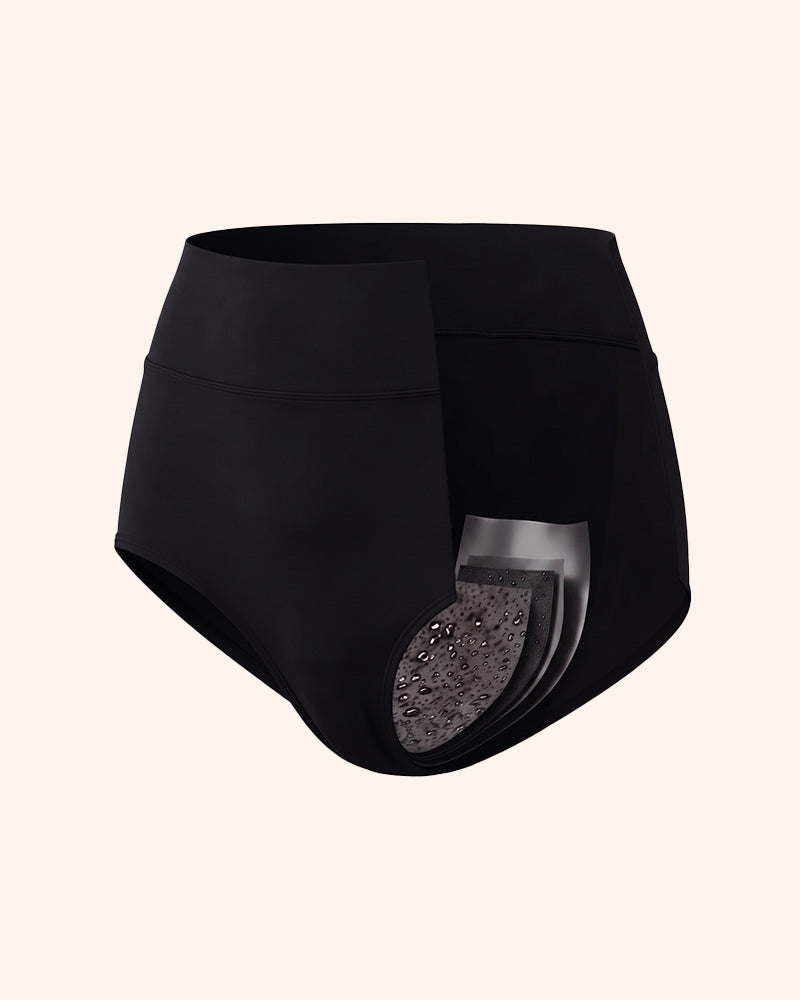
You don't need to wear maximum protection every day — but on days you know will be demanding, it pays to plan ahead. A reusable leakproof option you can scale up or down is ideal for fluctuating symptoms:
- Match absorbency to the day. On good days, a light-absorbency pair may be plenty; on bad days, step up to a moderate or high-absorbency option. For women, Rooces Stay Discreet women's incontinence underwear covers light to moderate leaks, while the men's Stay Discreet line handles heavier days. Men who want adjustable protection can add the high-absorbency reusable pad on worse days only.
- Keep a spare and a pouch handy. A waterproof carry pouch with a spare pair in your bag turns a surprise bad day into a non-event — especially useful at work or while traveling.
- Don't over-restrict fluids. Cutting water before an outing can backfire by irritating the bladder. Sip steadily instead.
- Plan bathroom timing. On urge-heavy days, scheduled bathroom breaks (every 2–3 hours) can head off urgency before it builds. Our bladder training guide explains how to build up gradually.
- Stock enough pairs to rotate. Fluctuation is easier to handle when laundry day never leaves you short — our guide to how many pairs you need covers the math.
When Fluctuating Leaks Deserve a Doctor's Visit
Day-to-day variation is normal, but some patterns warrant medical attention rather than just management:
- Symptoms that are steadily getting worse over weeks or months, with no good days at all
- A sudden, dramatic change — from dry to frequent leaking with no clear trigger
- Leaking with pain, burning, fever, or blood in the urine
- Inability to empty your bladder, or a constant feeling of fullness
- Leaks that seriously limit your daily life despite lifestyle adjustments
For the full checklist, see when to see a doctor about bladder leaks.
Frequently Asked Questions
Is it normal for incontinence to come and go?
Yes. Fluctuation is extremely common, especially with stress and urge incontinence. Hormones, hydration, diet, stress, constipation, and activity all shift from day to day, and the bladder responds to all of them. Only a persistent, one-directional worsening is a red flag.
Why are my bladder leaks worse some days?
Look at the 24 hours before the bad day: extra caffeine or alcohol, poor sleep, a stressful day, constipation, a cold with coughing, or where you are in your menstrual cycle. Most people find two or three recurring culprits once they track for a couple of weeks.
Can stress cause my bladder leaks to come and go?
Stress doesn't cause incontinence on its own, but it can amplify it — through muscle tension, changed breathing, heightened urgency awareness, and stress-driven habits like extra coffee. If your worst days line up with your busiest days, stress is likely part of the pattern.
Can dehydration cause my bladder leaks to come and go?
Yes — on days you drink too little, concentrated urine can irritate the bladder and worsen urgency, while heavy fluid intake on other days increases volume. The sweet spot is steady, moderate hydration rather than swinging between too much and too little.
Do bladder leaks get worse before your period, then improve again?
Many women experience exactly this cycle. Falling estrogen in the late luteal phase can reduce urethral support, so leaks peak just before menstruation and ease once bleeding starts. Tracking cycle days alongside symptoms usually confirms it.
Should I wear protection every day, even on good days?
That's a personal call, but many people prefer a light reusable pair daily for peace of mind, stepping up absorbency on worse days. Because reusable underwear washes like regular laundry — toss them in a mesh laundry bag to protect them — daily wear costs no more than a drawer of regular underwear. And if you're ever unsure, daily wear means never being caught off guard.


Share:
How to Tell Your Partner About Bladder Leaks: A Calm, Practical Guide
How to Talk to Your Doctor About Incontinence: A Practical Guide to Your First Appointment