


The short answer: yes — most bladder leaks can be improved, and often significantly reduced, without surgery. Non-surgical options include pelvic floor training, bladder training, lifestyle changes, medications, and in-office therapies. Surgery is usually a last resort. Whether these approaches can fully fix your leaks depends on the type of incontinence you have and how severe it is, but for many people, conservative treatment is the only treatment they ever need.
Bladder leaks have a way of making every option sound extreme. People imagine it's a choice between "just live with it" and a surgical procedure, and they quietly pick "live with it." But there's a whole middle ground that gets results — and it rarely involves an operating room. This guide walks through the non-surgical options for bladder leaks, what each one actually does, and how to figure out which path makes sense for you.

First, Why Your Type of Leak Matters
Before picking any approach, it helps to know what kind of leak you're dealing with, because different types respond to different strategies:
- Stress incontinence — leaks when you cough, sneeze, laugh, or exercise. Usually a support problem: the pelvic floor muscles and urethral support have weakened.
- Urge incontinence — leaks when a sudden, strong urge hits and you can't reach a bathroom in time. Usually a bladder-signaling problem: the bladder muscle is overactive.
- Mixed incontinence — a combination of both, which is more common than most people realize.
If you're not sure which one matches, our guide on how to tell whether your bladder leaks are stress or urge incontinence can help you sort it out. That distinction matters because pelvic floor exercises, for example, are far more effective for stress leaks than for urge leaks.
Can You Fix Bladder Leaks Without Surgery? The Options That Work
Conservative (non-surgical) treatment is the standard first step worldwide — guidelines generally recommend trying it for several months before surgery is even discussed. Here are the approaches with real evidence behind them.
1. Pelvic Floor Muscle Training (Kegels, Done Right)
Strengthening the muscles that support the bladder and urethra is the single most recommended first-line treatment for stress incontinence. The catch: a large share of people who try Kegels do them incorrectly — bearing down instead of lifting, or holding their breath. Done correctly and consistently, pelvic floor training can meaningfully reduce stress leaks over 8 to 12 weeks.
It works less well for urge incontinence on its own, though some people find that strengthening the pelvic floor helps them "hold on" longer when urgency strikes. A physical therapist who specializes in pelvic health can confirm you're activating the right muscles — one session of feedback often changes the results completely.
Our beginner's guide to pelvic floor exercises walks through technique step by step.
2. Bladder Training
Bladder training retrains the habit of going "just in case" — a habit that can shrink your bladder's functional capacity over time and feed a cycle of urgency and frequency. The method: scheduled bathroom visits that you gradually stretch further apart, plus urge-suppression techniques (slow breathing, sitting still, pelvic floor contractions) when the urge hits unexpectedly.
This is especially useful for urge incontinence and mixed incontinence. It's free, has no side effects, and tends to combine well with pelvic floor work. Expect gradual improvement over 6 to 8 weeks.
3. Lifestyle Changes That Move the Needle
Some leaks improve once the factors aggravating them are addressed:
- Moderating bladder irritants: caffeine and alcohol can both increase urgency and frequency — see our guide on common foods and drinks that irritate the bladder.
- Weight management: extra abdominal pressure is a real mechanical factor; even modest weight loss can reduce leaks.
- Fluid timing, not fluid restriction: cutting water backfires by concentrating urine, which irritates the bladder. The trick is when you drink — more during the day, less in the evening — not how little.
- Quitting smoking: chronic coughing repeatedly stresses the pelvic floor, and smoking irritates the bladder lining too.
- Constipation management: straining and a full bowel both press on the bladder.
4. Medications
For urge incontinence and overactive bladder, several prescription medications relax the bladder muscle or calm the nerve signals driving urgency. They work for many people but come with tradeoffs — dry mouth and constipation are common — and they manage symptoms rather than fixing the underlying pattern. Your doctor can weigh whether they're right for you.
5. In-Office, Non-Surgical Therapies
When exercises and medication aren't enough, a few options still stop short of surgery:
- Nerve stimulation: tibial nerve stimulation (a slim needle near the ankle during a clinic visit) or an implantable device can calm overactive bladder signals.
- Botox bladder injections: injected into the bladder muscle in a quick outpatient procedure, they can quiet severe urgency for months at a time.
- Vaginal devices (pessaries): a fitted device that supports the bladder neck and urethra, mainly for stress incontinence — removable and non-permanent.
Comparing Non-Surgical Options at a Glance
| Option | Best for | Typical timeline | Notes |
|---|---|---|---|
| Pelvic floor training | Stress incontinence | 8–12 weeks | First-line; technique matters |
| Bladder training | Urge, mixed incontinence | 6–8 weeks | Free; combines well with other methods |
| Lifestyle changes | All types | Weeks | Often the fastest wins |
| Medications | Urge incontinence / OAB | Days–weeks | Prescription; manages symptoms |
| Nerve stimulation | Urge incontinence / OAB | 12 weeks of sessions | Clinic-based; non-surgical |
| Botox injections | Severe urge incontinence | Effects last ~6–9 months | Outpatient; repeatable |
| Pessary | Stress incontinence | Immediate support | Fitted by clinician; removable |
Do Bladder Leaks Go Away on Their Own?
Sometimes — particularly leaks tied to a temporary cause, like postpartum recovery or a urinary tract infection that has cleared up. But leaks that have been happening for months rarely resolve without some kind of intervention. The encouraging part is that "intervention" can simply mean the exercises and habit changes above, not surgery. Waiting tends to entrench the habit of urgency, while starting conservative treatment early tends to work faster.
If your leaks are getting worse, suddenly appeared, or come with pain, blood in the urine, or trouble emptying your bladder, that's a different situation — see our guide on warning signs that mean you should see a doctor.
While You're Working on Improvement: Protect Your Everyday Life
Improvement takes weeks, and leaks don't pause while you do your exercises. Reliable daily protection keeps the training period comfortable and stress-free:
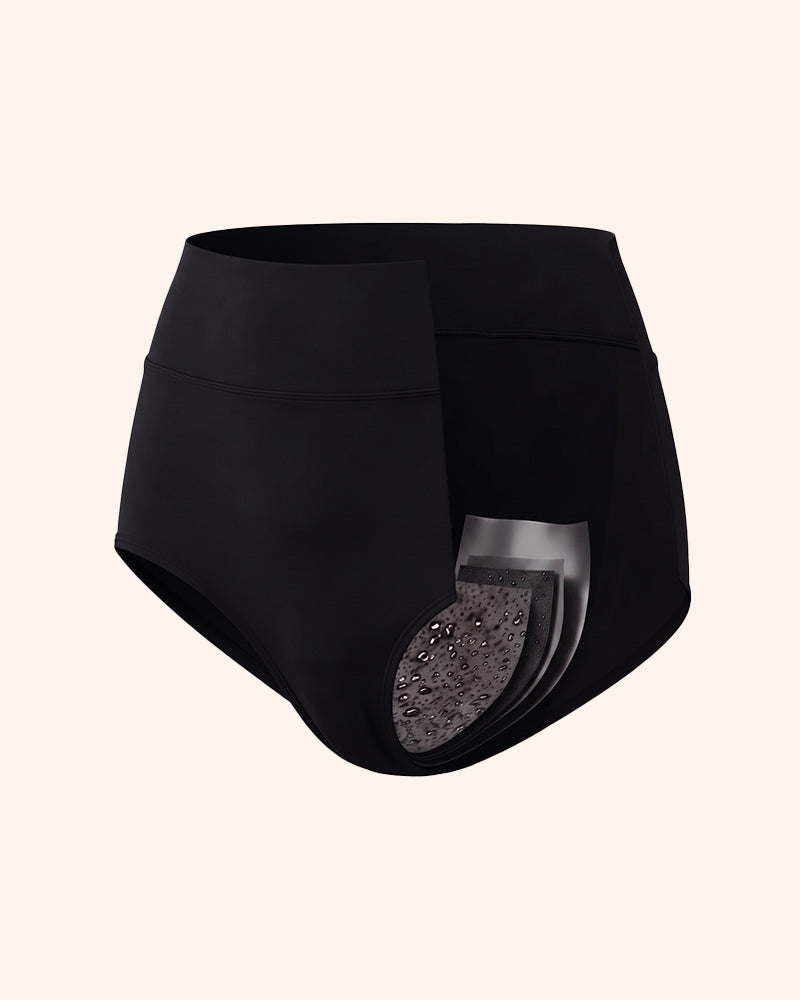
- Reusable leakproof underwear for women and leakproof underwear for men handle light-to-moderate leaks while looking and feeling like regular underwear.
- Men with heavier leaks can add a high-absorbency booster pad or choose the style with a removable absorbent pad.
- For changes away from home, a waterproof carry pouch keeps a fresh pair discreet, and the mesh laundry bag makes washing simple.
Think of protection as your safety net while the longer-term work does its job — it removes the fear that often makes people give up on training early.
Frequently Asked Questions
Can you fix bladder leaks without surgery?
In most cases, yes — or at least reduce them substantially. Pelvic floor training, bladder training, lifestyle changes, and medications are effective for many people with mild-to-moderate leaks. Surgery is generally considered only after conservative options have been tried, so non-surgical treatment is the normal starting point, not a consolation prize.
Can Kegel exercises fix incontinence?
Kegels can significantly reduce stress incontinence when done correctly and consistently for 8–12 weeks. They help less with urge incontinence on its own. If you're doing them and nothing changes after a couple of months, it's worth checking your technique with a pelvic health physical therapist rather than assuming they "don't work."
Do bladder leaks go away on their own?
Temporary leaks sometimes do — for example, after childbirth or once a urinary infection clears. Persistent leaks that have lasted months rarely disappear without intervention. The good news is that the effective interventions are usually non-surgical.
What is the least invasive treatment for urinary incontinence?
The least invasive treatments are behavioral: pelvic floor muscle training, bladder training, and lifestyle adjustments. They require no devices, no medication, and no procedures — just consistency. They're also the recommended first step in most treatment guidelines.
Does incontinence get worse if left untreated?
It can. Habits like going to the bathroom "just in case" can shrink your bladder's capacity and make urgency more frequent over time, and ongoing leaks can weaken pelvic support further. That said, starting treatment late still helps — there's no deadline after which the non-surgical options stop working.
Can bladder training stop leaks completely?
For some people with urge incontinence, yes — bladder training can eliminate urgency episodes almost entirely. For others, it reduces frequency and severity even if it doesn't erase every leak. Combined with pelvic floor work, it gives one of the best non-surgical outcomes available.


Share:
What Are Bladder Irritants? Common Foods and Drinks That Can Make Leaks Worse
Is It Normal to Leak Urine During Pregnancy? Why It Happens and What Can Help